The Hidden Flaws in Today’s New Construction Homes: Why Defects Are Rampant and a Home Inspector Is Essential
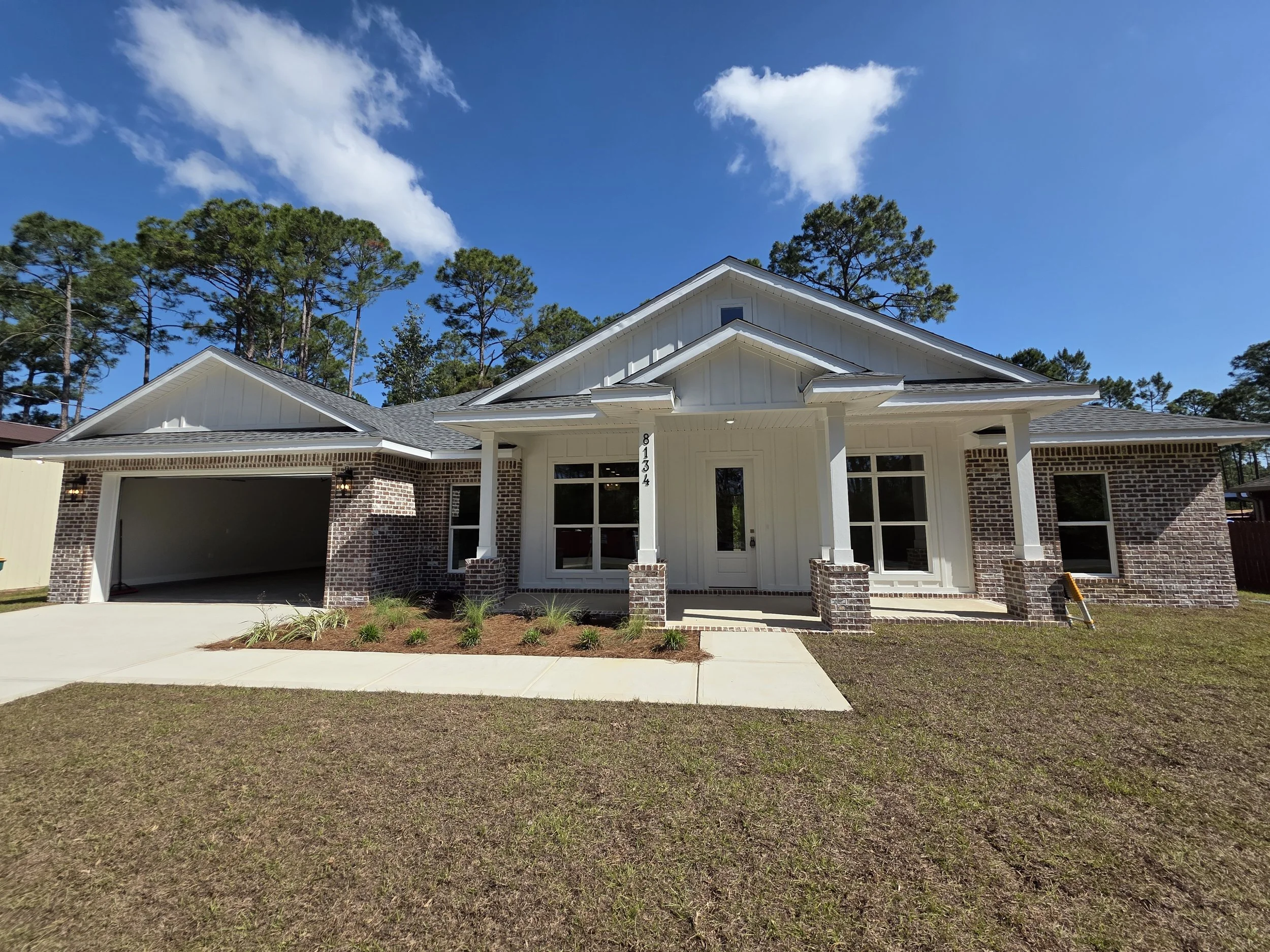
Buying a brand-new home often feels like the ultimate upgrade no outdated wiring, no surprise repairs from previous owners, and that fresh-off-the-lot smell. In 2026, with housing supply still tight and new construction making up a significant share of sales, many buyers are drawn to the promise of modern features, energy efficiency, and builder warranties. Yet an alarming number of these “perfect” new homes are revealing serious problems shortly after move-in: cracks in foundations, leaks in roofs, faulty plumbing, and more. The reality? New does not mean flawless. Rushed timelines, labor shortages, and cost-cutting have made defects more common than ever.
Why New Construction Homes Are Plagued by Problems
The housing boom of the past decade, combined with post-pandemic supply chain disruptions, inflation, and material shortages, has put immense pressure on builders. According to the National Association of Home Builders (NAHB), labor shortages and rising costs remain top challenges into 2026. Many large production builders rely on subcontractors bidding the lowest prices, leading to rushed work, inexperienced crews, and corner-cutting to meet deadlines and protect slim profit margins.
In high-growth areas like Florida where humidity, heavy rains, and hurricane risks amplify vulnerabilities these issues can escalate quickly. Poor drainage or inadequate sealing around windows and doors invites water intrusion and mold, while framing shortcuts can compromise wind resistance.
Common defects turning up in new homes include:
Foundation and Structural Issues: Cracks from poor soil compaction, rushed concrete curing, or improper grading. Water pooling near the foundation leads to settling and costly repairs.
Roofing and Exterior Problems: Missing or poorly installed flashing, inadequate shingle overlap, or unsealed penetrations. These often cause leaks within the first year.
Plumbing and Drainage Failures: Improper pipe slopes, loose fittings, or disconnected drains. In Florida’s wet climate, this quickly leads to hidden leaks or backups.
Electrical Deficiencies: Faulty wiring, overloaded circuits, or improper grounding—safety hazards that municipal inspectors may miss if they’re only checking minimum code.
HVAC and Insulation Shortcomings: Undersized systems, disconnected ductwork, or missing insulation in attics and walls. This results in high energy bills and potential mold growth.
Cosmetic and Finish Issues: Uneven floors, gaps in trim, or bubbling paint that signal deeper workmanship problems.
These aren’t rare anecdotes. National Association of Realtors (NAR) data shows that 65% of buyers who had new construction homes inspected found issues, with nearly 24% failing their first inspection.
The Critical Importance of Hiring a Home Inspector
Many buyers assume builder warranties or municipal code inspections provide enough protection. They don’t. City or county inspectors focus only on basic code compliance during limited visits (framing, rough-in, final). They rarely have time to evaluate overall workmanship, long-term durability, or hidden defects behind walls and under floors.
An independent, certified home inspector performs a thorough, buyer-focused evaluation, often in multiple phases for new builds:
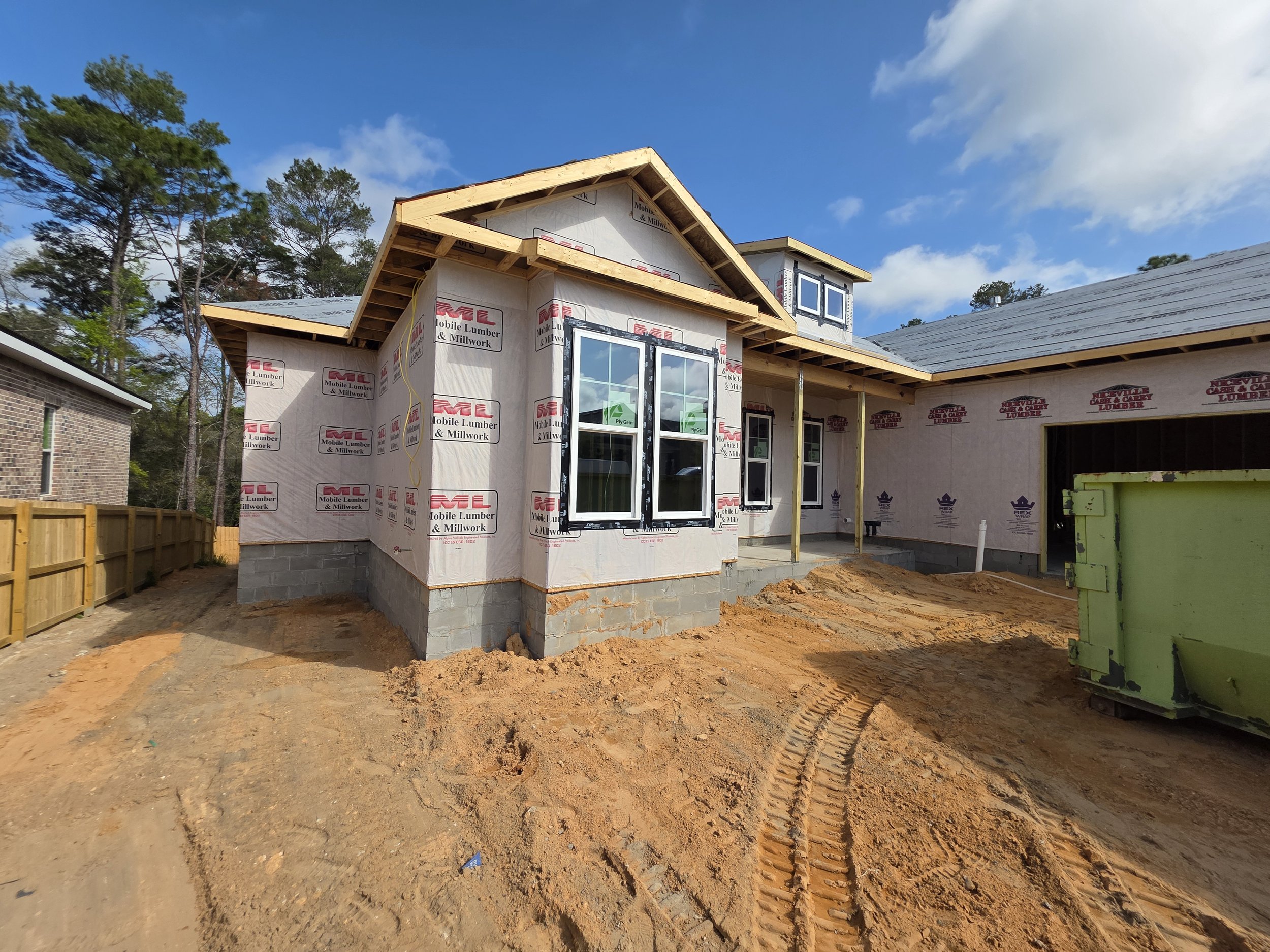
Pre-drywall/rough-in inspection: Catches framing, electrical, plumbing, and HVAC issues before they’re covered up.
Final pre-closing walkthrough: Identifies finish defects, drainage problems, and anything missed during construction.
This process gives you leverage. Builders typically fix major items before closing to keep the sale on track. Even with a one-year workmanship warranty, it’s far better (and cheaper) to address problems upfront than to fight for repairs later while living in the home.
In Florida’s challenging environment, a qualified inspector will pay special attention to moisture barriers, termite protection, hurricane tie-downs, and proper grading, details that could prevent thousands in future damage.
Cost vs. Value: A standard new-construction inspection runs $300–$600 (phased inspections cost more but are worth it). Compared to even one major repair, like a foundation fix or full HVAC replacement, that’s an incredible return on investment. Plus, you gain peace of mind in what is likely your largest purchase.
What to Look for in an Inspector and Final Tips
Choose an independent, licensed inspector (not one recommended by the builder).
Ask for experience with new construction and your local area.
Attend the inspection and request a detailed written report with photos.
If possible, schedule a pre-drywall inspection, many builders allow it with notice.
Review the builder’s warranty carefully and document everything.
Don’t let the excitement of a shiny new home blind you to potential pitfalls. In today’s market, where speed often trumps quality, a professional home inspection isn’t optional, it’s your best defense. Protect your investment, avoid buyer’s remorse, and ensure the home you love today remains safe and sound for years to come. Your future self (and your wallet) will thank you.
#NavarreFlorida #HomeInspection #NewConstruction #WeCatchWhatTheyHide #JGregoryHomeInspections #newconstructionhomes #moldinspection #MoldPrevention #pensacola #PensacolaBeach #gulfbreeze #milton #pace #cantonment #navarre #fortwaltonbeach #destin #sandestin #30a #inletbeach #crestview #homeinspections #pensacolarealestate #windmitigation #4pointinspections #homeinspector