

The Different Types of Water Heaters: Choosing the Right One for Your Home (and How Long They Last)
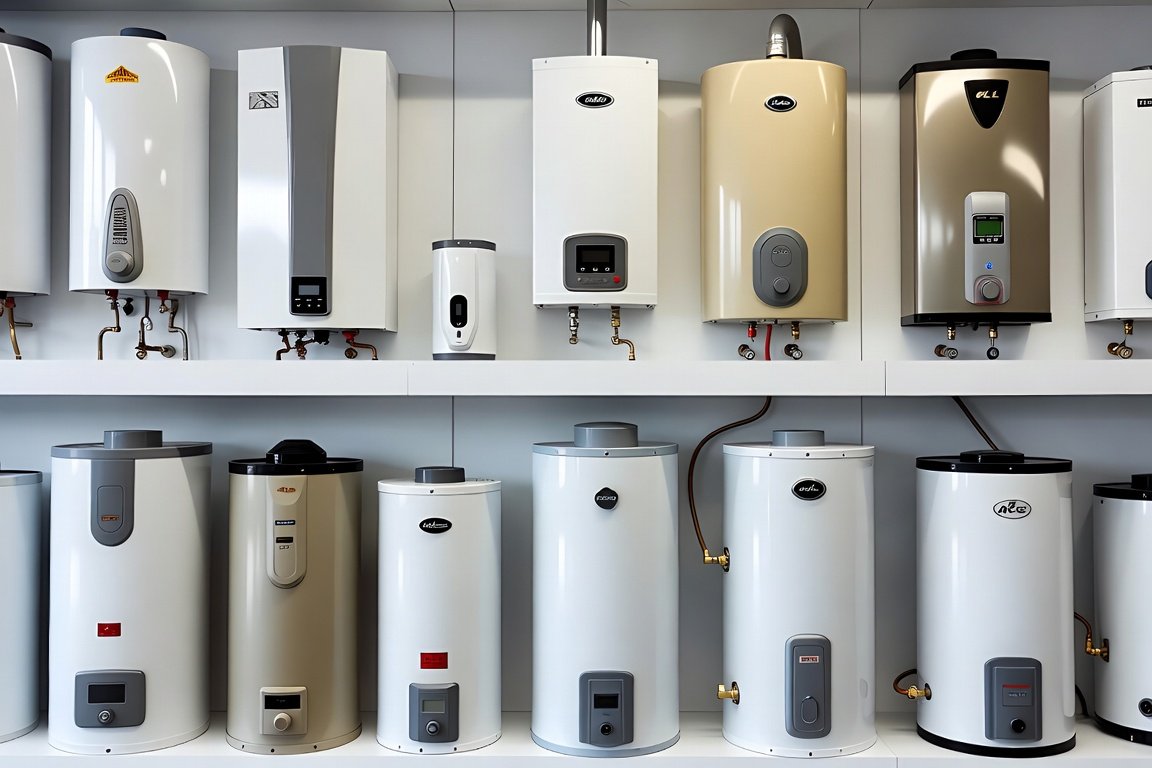
Water heaters are one of the unsung heroes of modern homes, quietly providing hot water for showers, laundry, dishes, and more. In the average U.S. household, water heating accounts for about 18% of total energy use, making it the second-largest energy expense after heating and cooling. With rising energy costs and a growing focus on efficiency, homeowners are increasingly exploring their options beyond the old standby tank-style unit. This guide breaks down the main types of residential water heaters, how they work, their pros and cons, and—crucially—their typical life expectancies.
1. Conventional Storage Tank Water Heaters
These are the most common and familiar type. A large insulated tank (typically 30–80 gallons) stores water that’s kept hot 24/7 by either a gas burner or electric heating elements.
How they work: Cold water enters the tank from the bottom. It’s heated until it reaches your set temperature (usually 120°F), and hot water is drawn from the top as needed. A thermostat cycles the heat source on and off to maintain temperature.
Pros:
Lowest upfront cost and easy installation.
Reliable hot water supply for moderate use.
Available in gas, electric, or (rarely) oil models.
Cons:
Standby energy loss (the tank constantly loses heat through the walls).
Limited hot water capacity—long showers or back-to-back laundry can run you cold.
Takes up significant floor space in a garage or utility room.
Risk of leaks or bursts as the tank ages.
Life expectancy: 8–12 years on average, though some electric models can reach 10–15 years with good maintenance. Gas units often wear slightly faster due to higher operating temperatures. Sediment buildup, corrosion, and hard water are the biggest killers.
2. Tankless (On-Demand) Water Heaters
Tankless units eliminate the storage tank entirely. They heat water instantly as it flows through the unit—perfect for endless hot showers.
How they work: Cold water passes through a high-powered heat exchanger (gas flame or electric coils) that activates only when you turn on the tap. No standby heat loss.
Pros:
Endless hot water (as long as flow rate isn’t exceeded).
24–34% more energy-efficient than tank models.
Compact—wall-mounted, freeing up space.
Longer lifespan and lower long-term operating costs.
Cons:
Higher upfront purchase and installation cost (may require gas line or electrical upgrades).
Hot water output can drop if multiple fixtures run simultaneously (sizing is critical).
In very cold incoming water, recovery can feel slower.
Life expectancy: 15–20+ years with proper maintenance—often double that of a tank unit. The lack of stored water means far less corrosion and sediment issues, though hard-water areas still require annual descaling.
3. Heat Pump (Hybrid) Water Heaters
These electric units look like a conventional tank but use advanced technology to pull heat from the surrounding air rather than generating it directly.
How they work: A heat pump compressor and refrigerant system extract heat from the air and transfer it to the water in the tank. They include backup electric elements for high-demand periods. Best suited for spaces where the temperature stays above 40°F year-round.
Pros:
Up to 3x more efficient than standard electric tanks—biggest energy savings of any electric option.
Lower operating costs over time (often eligible for rebates and incentives).
Quieter than you might expect and environmentally friendly.
Cons:
Higher initial cost than standard tanks.
Slower hot-water recovery and needs a large, well-ventilated space (basement or garage ideal).
Performance drops in colder climates.
Life expectancy: 10–15 years typically, though some models reach 20 years with maintenance. The compressor and electronics add complexity compared to simple tanks.
4. Solar Water Heaters
These systems harness the sun’s free energy, making them the greenest option in sunny regions.
How they work: Rooftop solar collectors heat a fluid (water or antifreeze) that transfers heat to a storage tank. An electric or gas backup kicks in on cloudy days or at night.
Pros:
Dramatically lower operating costs once installed.
Extremely efficient in sunny climates.
Long lifespan for the collectors.
Cons:
Very high upfront cost and complex installation.
Requires a backup system and sufficient roof space with good sun exposure.
Less effective in cloudy or northern regions.
Life expectancy: 15–25 years for the solar collectors; the storage tank and pumps may need replacement sooner (10–15 years). Proper maintenance of the fluid and panels is key.
Other Variants Worth Mentioning
Condensing water heaters (gas tank or tankless): High-efficiency models that capture exhaust heat. They behave like their non-condensing cousins but cost less to run.
Point-of-use (POU) tankless heaters: Small electric units installed under sinks or near showers. Great supplements for distant fixtures; very long life but limited capacity.
What Affects Life Expectancy Across All Types?
No matter the style, several factors influence how long your water heater will last:
Water quality: Hard water causes scale buildup—flush tanks annually and descale tankless units.
Maintenance: Regular anode rod checks (for tanks) and professional servicing extend life significantly.
Usage and installation: High-demand households and poor venting or sizing shorten lifespan.
Fuel type: Electric units often outlast gas ones slightly because there’s no combustion.
Warranty quality: Longer warranties (9–12 years) usually indicate thicker tanks, better insulation, and stronger components.
Real-world averages assume proper care. Neglect can cut years off any unit.
Which One Should You Choose?
Budget-conscious or simple replacement: Go conventional tank.
High hot-water demand or energy savings: Tankless is hard to beat.
Maximum efficiency and rebates available: Heat pump (especially in warm climates like Florida).
Long-term green investment with good sun: Solar.
Always factor in your home’s climate, available space, fuel source, and local incentives. A professional plumber or energy audit can help size the right unit and estimate payback time. Whichever you pick, investing in quality and maintenance will pay off in fewer headaches and lower bills for years to come.
For more information, visit us at: jgregoryinspections.com or call/text at 850-904-6955