

Hurricane Shutters for Florida Homes: Types, Protection Benefits, and Wind Mitigation Incentives
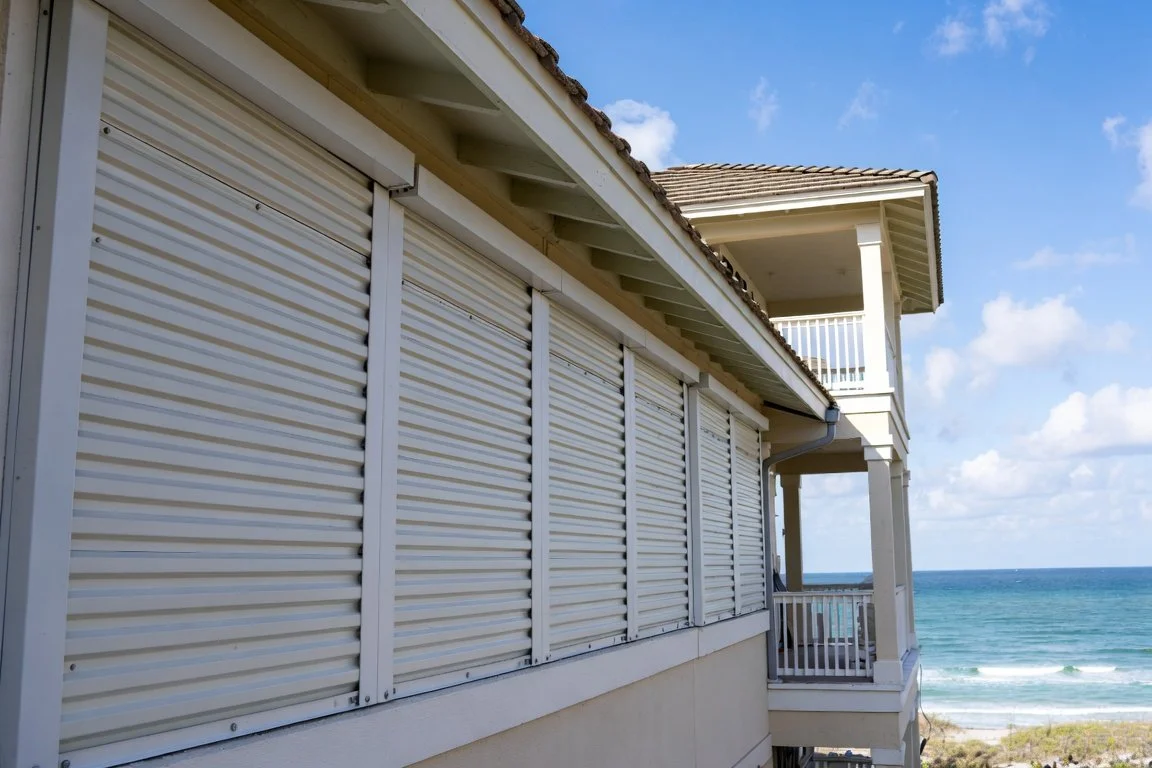
Florida homeowners face one of the highest hurricane risks in the United States. With powerful storms capable of launching debris at missile-like speeds and generating extreme wind pressures, protecting windows and doors is essential. Hurricane shutters provide a proven, code-compliant barrier that can prevent catastrophic damage. Beyond safety, installing approved shutters can qualify you for significant insurance discounts through a wind mitigation report and state grant programs like My Safe Florida Home.
Different Types of Hurricane Shutters for Windows and Doors
Florida Building Code requires shutters (or impact-rated windows/doors) in high-velocity hurricane zones to withstand specific wind speeds and debris impacts. Approved systems carry a Notice of Acceptance (NOA) or equivalent certification. Here are the most common types used on Florida homes:
1. Storm Panel Shutters
These are removable corrugated aluminum or steel panels that bolt or slide into pre-installed tracks around windows and doors. They are stored when not in use and installed before a storm.
Pros: Most affordable option, extremely strong protection, minimal change to home appearance.
Cons: Time-consuming to install (requires storage and multiple people), sharp edges.
Best for: Budget-conscious homeowners; works on both windows and doors.
Approx. cost: $7–$8 per square foot.
Deployment time: About 15 minutes per window.
2. Accordion Shutters
Permanently mounted on the sides of windows and doors, these fold compactly like an accordion when not in use and slide along tracks to close.
Pros: Easy one-person operation, permanent (no storage needed), good security features, reasonably priced.
Cons: Can appear bulky when stored.
Best for: Windows and sliding glass doors; popular across Florida.
Approx. cost: $16–$20 per square foot.
Deployment time: 15–30 minutes for an entire house.
3. Roll-Down (Rolling) Shutters
These install in a box above the window or door and roll down manually with a crank or via motorized operation (with battery backup recommended).
Pros: Sleek and hidden when open, easiest to deploy, excellent for second-story windows, doubles as shade and security.
Cons: Highest upfront cost.
Best for: Any windows or doors; ideal for convenience.
Approx. cost: $30–$55 per square foot.
Deployment time: Minimal (push-button or quick crank).
4. Bahama Shutters
Top-hinged and mounted above the window, these angle outward to provide shade and ventilation year-round. They lower and lock flat against the wall for storms.
Pros: Aesthetic appeal with tropical look, easy one-person deployment, UV and heat reduction.
Cons: Traditional designs may offer slightly less protection in extreme Category 4–5 storms (newer reinforced models perform better); not suitable for doors.
Best for: Windows only.
Approx. cost: $18–$30 per square foot.
5. Colonial Shutters Side-hinged pairs that swing closed like traditional shutters and lock in the center (often with a storm bar).
Pros: Classic, attractive appearance that enhances curb appeal, permanent installation.
Cons: Requires exterior access to close; not suitable for doors.
Best for: Windows with a traditional look.
Approx. cost: $18–$30 per square foot.
Other options include hurricane fabric screens (lightweight and affordable but require installation each time) and clear polycarbonate panels for visibility. Impact-resistant windows and doors serve as a permanent alternative to shutters but are more expensive upfront.
Why Hurricane Shutters Are Critical for Protection in Florida
Hurricanes bring not only high winds but also flying debris that can shatter unprotected glass, allowing wind and rain to enter. This creates a sudden pressure buildup inside the home that can lift roofs, cause walls to fail, or lead to total structural collapse. Shutters act as a first line of defense, absorbing impacts and maintaining the building envelope.
Properly installed, code-approved shutters dramatically reduce the risk of broken windows and doors, the most common entry points for hurricane damage. They also provide year-round benefits: added home security, reduced UV fading and cooling costs, and increased property value. In Florida’s wind-borne debris regions (most coastal and many inland areas), building codes mandate such protection for new construction and major renovations. Even in older homes, shutters offer peace of mind during the June 1–November 30 hurricane season.
Wind Mitigation Reports: Unlocking Insurance Discounts and State Incentives
Florida law requires insurers to offer premium discounts for homes with verified wind-loss mitigation features. A professional wind mitigation inspection uses the Uniform Mitigation Verification Form (OIR-B1-1802) to document protections like roof upgrades, secondary water barriers, and most importantly for this discussion, opening protection (impact-rated glass or approved hurricane shutters).
Approved shutters qualify your home for credits on the windstorm portion of your homeowners insurance. Discounts vary by insurer, home age, and specific features but can range from 15% to over 70% off the wind premium in some cases. Many Florida homeowners report annual savings of $100–$600 or more, sometimes 30–40% on the windstorm component. Newer homes (built to 2002 or later codes) automatically receive baseline credits, but a full inspection can unlock even greater savings.
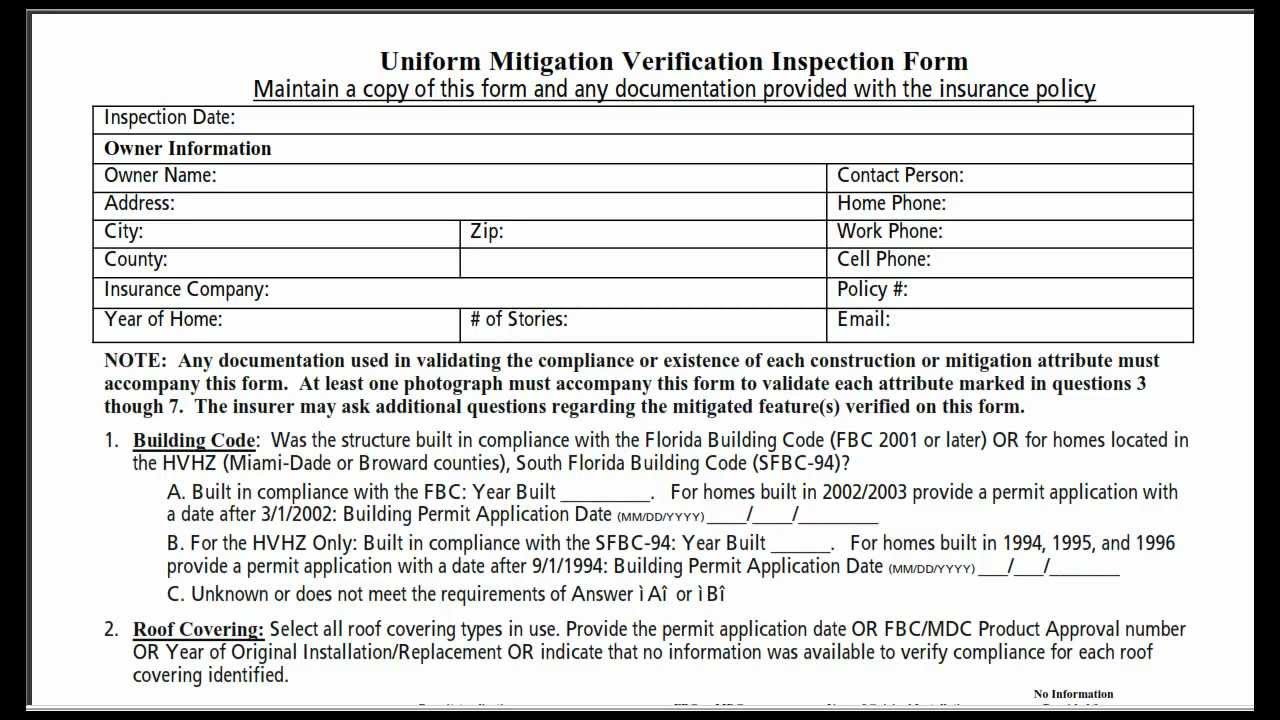
My Safe Florida Home Program provides additional help. Eligible homeowners (those with homestead exemption and insured homes valued at or below certain limits) can receive:
A free wind mitigation inspection.
Matching grants up to $10,000 (often 2:1 state-to-homeowner match) for approved upgrades, including hurricane shutters or impact windows/doors on unprotected openings.
The program prioritizes cost-effective hardening that also maximizes insurance discounts. Applications and eligibility details are available at mysafeflhome.com.
Final Thoughts: Invest in Protection and Save
Choosing the right hurricane shutters depends on your budget, home style, and how often you want to deploy them. Whether you opt for economical storm panels or convenient roll-down systems, any code-approved solution offers life-saving protection while potentially paying for itself through lower insurance premiums and reduced repair costs after a storm.
Consult a licensed contractor for a free estimate and ensure products meet current Florida Building Code standards. Schedule a wind mitigation inspection today, it’s one of the smartest steps you can take for your family’s safety and your wallet in hurricane-prone Florida. Stay prepared, stay protected.
For information about hurricane protection and wind mitigation inspections, call or text us today at 850-904-6955 or visit us at jgregoryinsepctions.com
Areas We Proudly Serve Across Northwest Florida
J. Gregory Home Inspections proudly serves the entire Florida Panhandle and Emerald Coast. Whether you’re in the heart of Pensacola, the beaches of Navarre, or the growing communities of Crestview and Fort Walton Beach, our locally owned team is ready to help.
And all surrounding communities in Escambia, Santa Rosa, and Okaloosa Counties