

How Long Do Roofs Really Last in Florida? A Home Inspector Explains
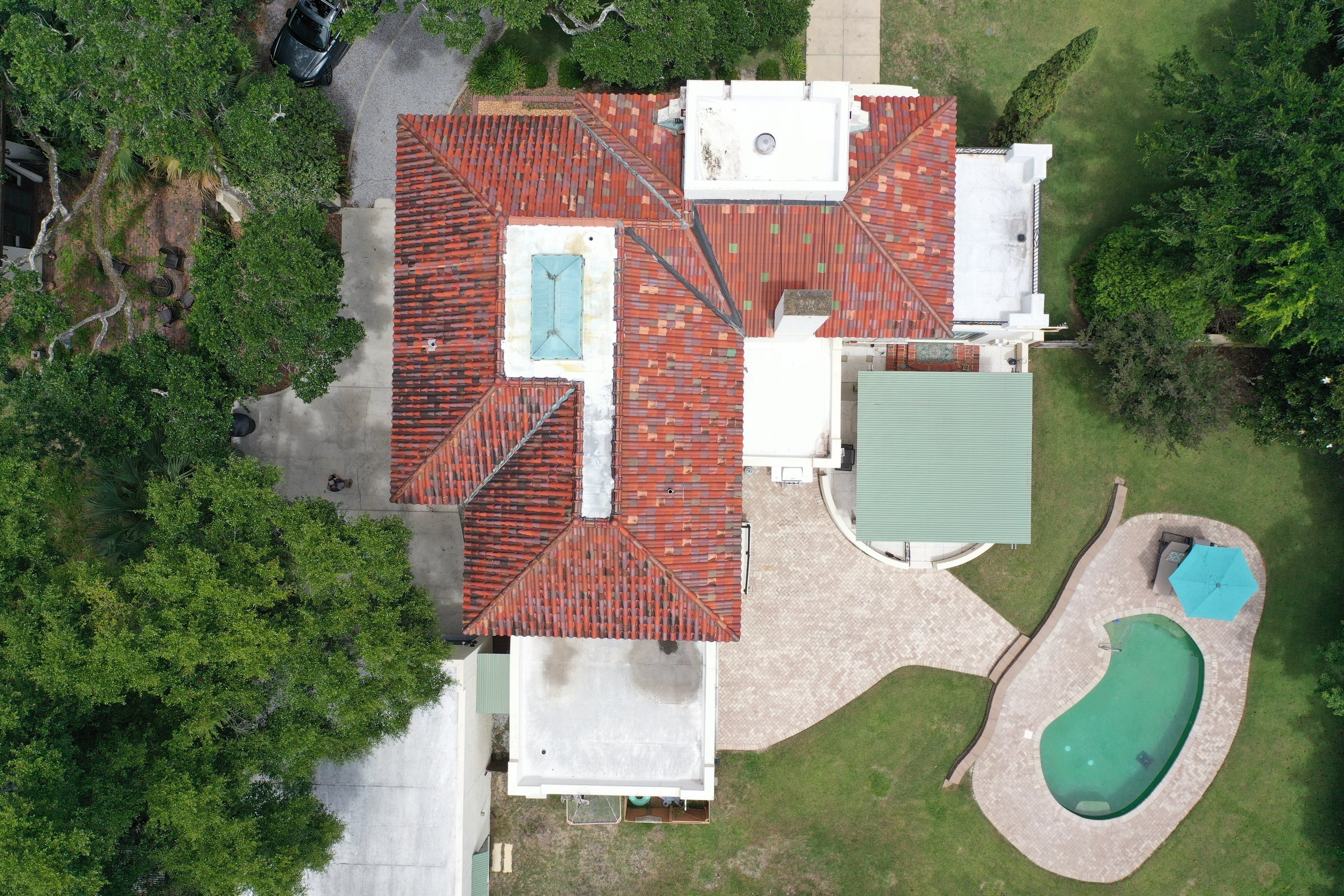
If you are buying a home in Florida, one of the biggest questions you may have is:
How long will the roof actually last?
The answer is not always as simple as looking at the manufacturer's advertised lifespan.
Florida roofs are exposed to intense sunlight, high heat, heavy rain, humidity, strong winds, tropical storms, and hurricanes. Because of these conditions, roofing materials in Florida may age differently than the same materials installed in cooler or milder climates.
As a Florida home inspector, I regularly evaluate roofs that may appear significantly older or sometimes younger than their actual installation date. The condition of a roof depends on much more than age alone.
Florida Roof Life Expectancy by Material
Typical Florida roof life-expectancy ranges include:
3-tab asphalt shingles: approximately 10–12 years
Architectural asphalt shingles: approximately 15–20 years
Built-up roofing: approximately 5–15 years
Modified bitumen: approximately 10 years
TPO roofing: approximately 10–12 years
EPDM rubber roofing: approximately 10–15 years
Metal roofing: approximately 17–20 years
Clay or concrete tile: tile material may last 50–80+ years, but the overall roof-system life also depends heavily on the waterproofing underlayment
Slate roofing: approximately 50+ years
Copper roofing: approximately 50+ years
Wood roofing: approximately 25 years
These are general service-life guidelines, not guarantees.
A roof may last longer or may require replacement sooner depending on installation quality, maintenance, ventilation, storm exposure, environmental conditions, prior repairs, and overall condition.
How Long Do Architectural Shingles Last in Florida?
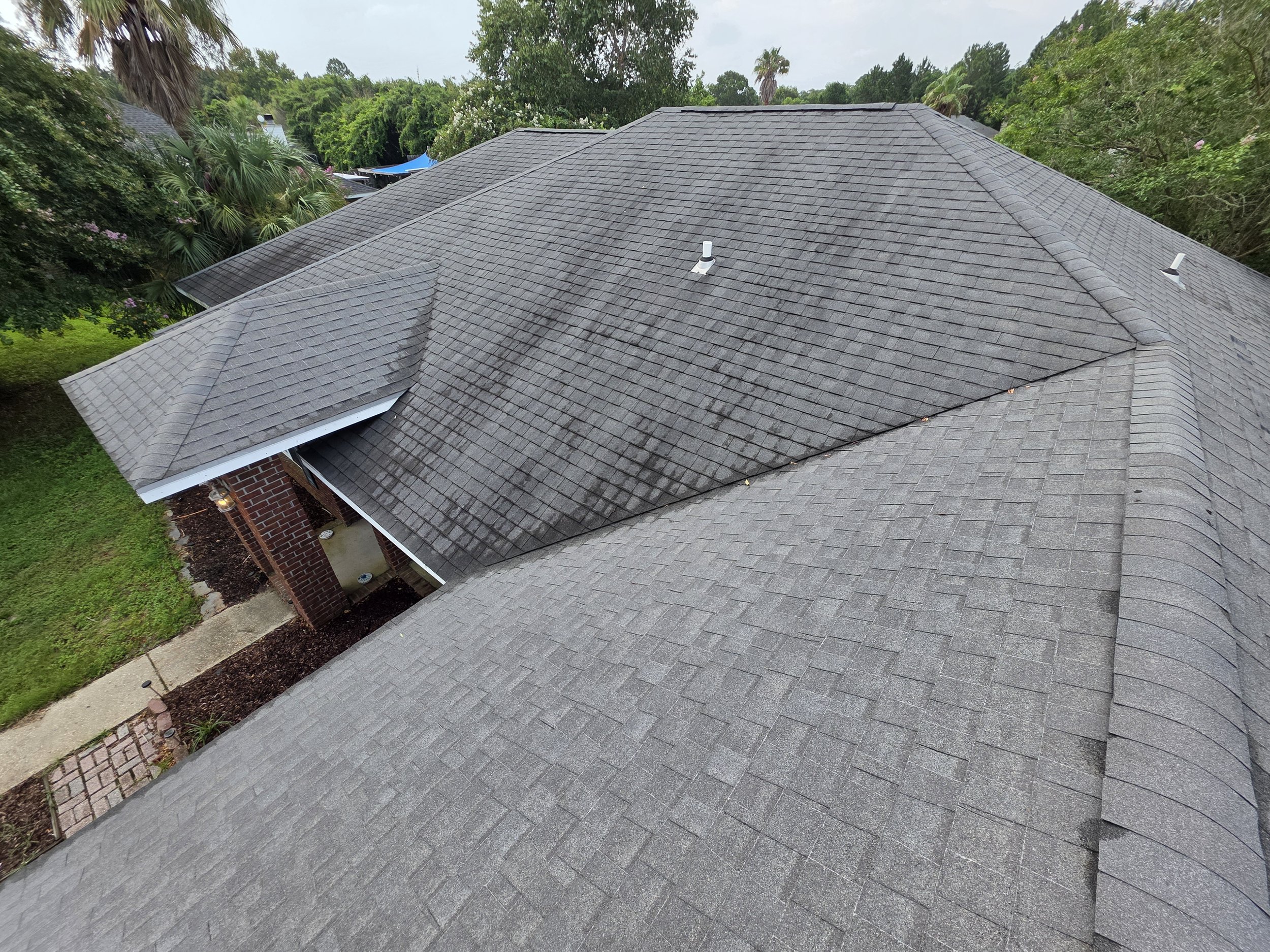
Architectural asphalt shingles are one of the most common roofing materials found on homes throughout Florida.
While manufacturers may advertise architectural shingles as 25-, 30-, or even longer-life products, their expected service life under Florida conditions can be considerably shorter.
A reasonable Florida-specific life expectancy for architectural shingles is approximately 15 to 20 years.
This does not mean every architectural shingle roof must be replaced at 20 years. It also does not mean every 10-year-old roof has another 10 years remaining.
Actual roof condition matters more than age alone.
Two roofs of the same age may have very different remaining useful lives depending on installation quality, ventilation, storm history, maintenance, sun exposure, and other factors.
How Long Do 3-Tab Shingles Last in Florida?
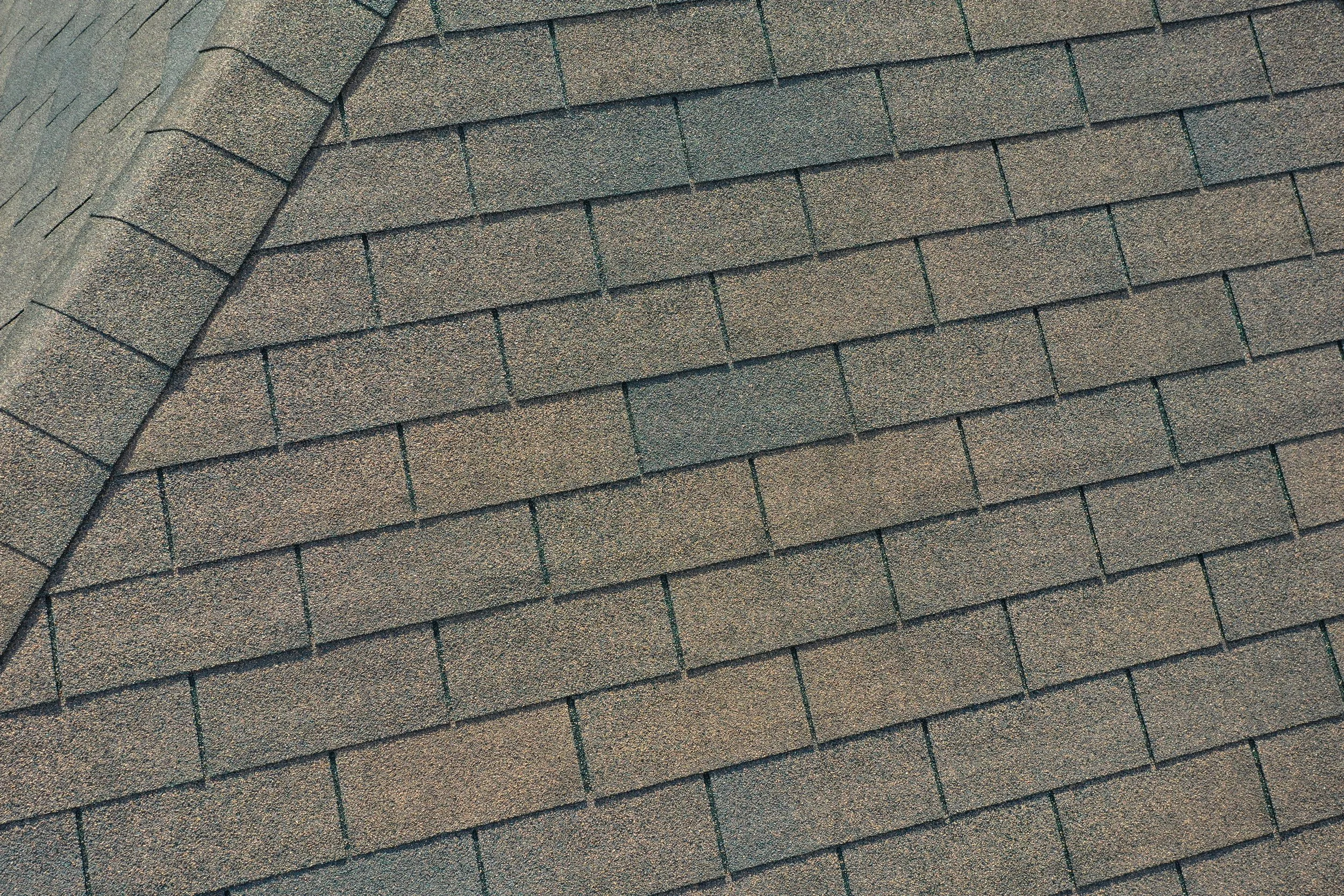
Traditional 3-tab asphalt shingles generally have a shorter expected service life than architectural shingles.
In Florida, a typical life expectancy for 3-tab shingles is approximately 10 to 12 years.
These shingles are generally lighter and less resistant to long-term wind and weather exposure than modern architectural shingles.
As 3-tab shingles age, an inspector may observe conditions such as:
Granule loss
Curling
Cracking
Loose or missing shingles
Deteriorated surfaces
Exposed fasteners
Loss of adhesion between shingles
Previous repairs
Storm-related damage
Why Florida Is So Hard on Asphalt Shingles
Florida's climate is particularly demanding on asphalt roofing materials.
Intense Sunlight and Heat
Florida roofs receive significant ultraviolet exposure throughout the year.
Heat and UV radiation gradually deteriorate asphalt roofing materials. Roof surface temperatures can become extremely high during the summer, which may accelerate the aging process.
Hurricanes and High Winds
Florida roofs may experience tropical storms, hurricanes, thunderstorms, and strong wind events throughout their service life.
High winds may:
Loosen shingles
Break adhesive seals
Lift roofing materials
Damage ridge shingles
Damage flashing
Damage vents
Displace roofing components
A roof does not have to visibly blow off during a storm to sustain damage.
High Humidity
Florida's high humidity can contribute to moisture-related issues, especially when attic ventilation or building-envelope conditions are inadequate.
Heavy Rainfall
Frequent heavy rain places additional stress on roofing materials, flashing, valleys, roof penetrations, and drainage systems.
This combination of environmental conditions is one reason national roof-life estimates may not accurately reflect what homeowners experience in Florida.
How Long Does a Metal Roof Last in Florida?
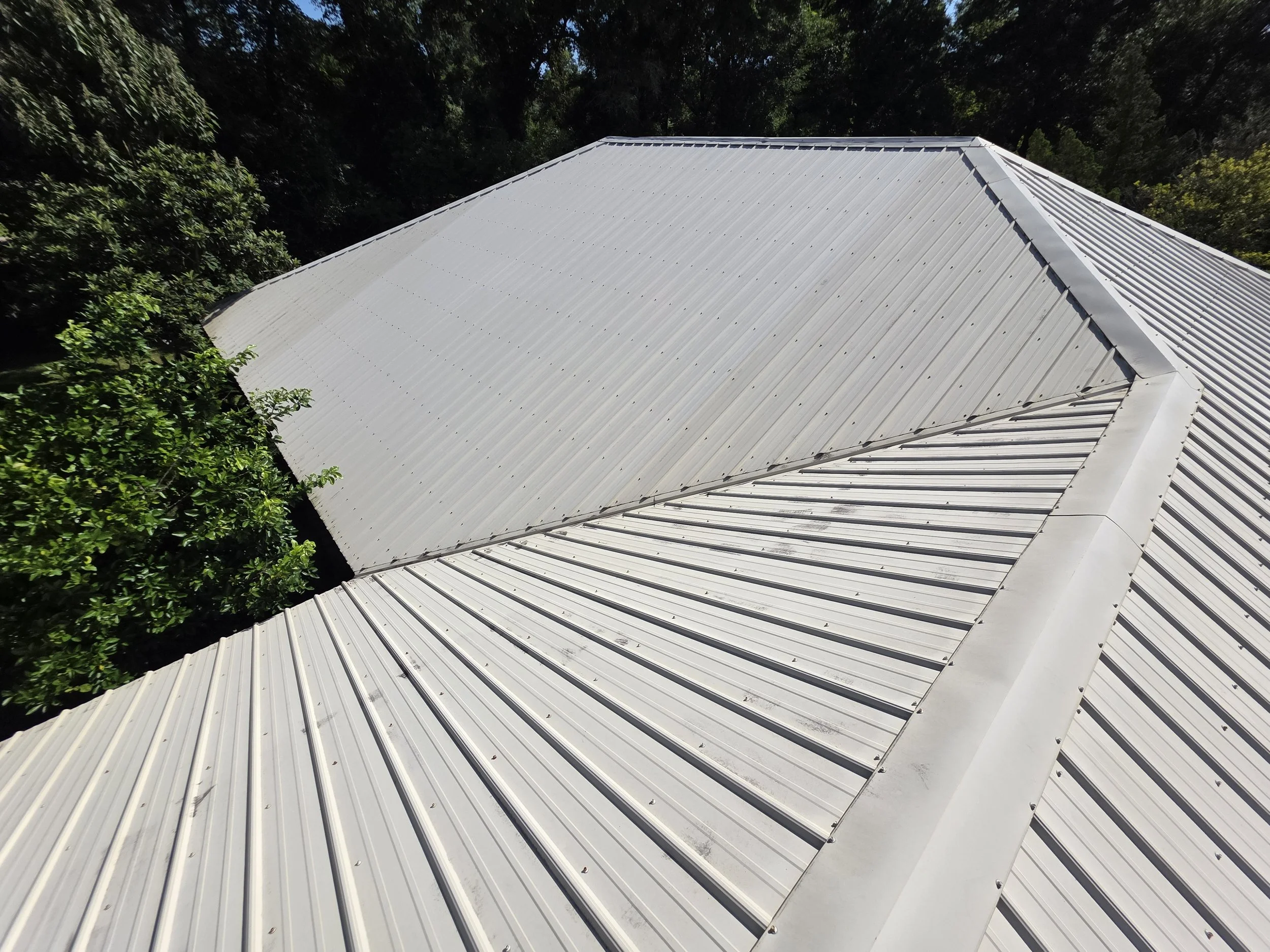
Metal roofing is often associated with very long service-life estimates.
In Florida-specific inspection guidance, metal roofing may have an expected service life of approximately 17 to 20 years, although many properly installed metal roofs can remain serviceable beyond that range depending on the roofing system and environment.
Metal roofs are not maintenance-free.
During a home inspection, some of the defects that may be observed include:
Corroded roof panels
Corroded fasteners
Loose or backed-out fasteners
Damaged panels
Deteriorated sealants
Loose flashing
Improperly sealed penetrations
Previous repairs
Rust or corrosion around fasteners
Coastal environments can be particularly harsh on metal roofing because salt-laden air may accelerate corrosion.
For this reason, the roof's actual condition should always be evaluated rather than relying only on age.
How Long Does a Tile Roof Last in Florida?
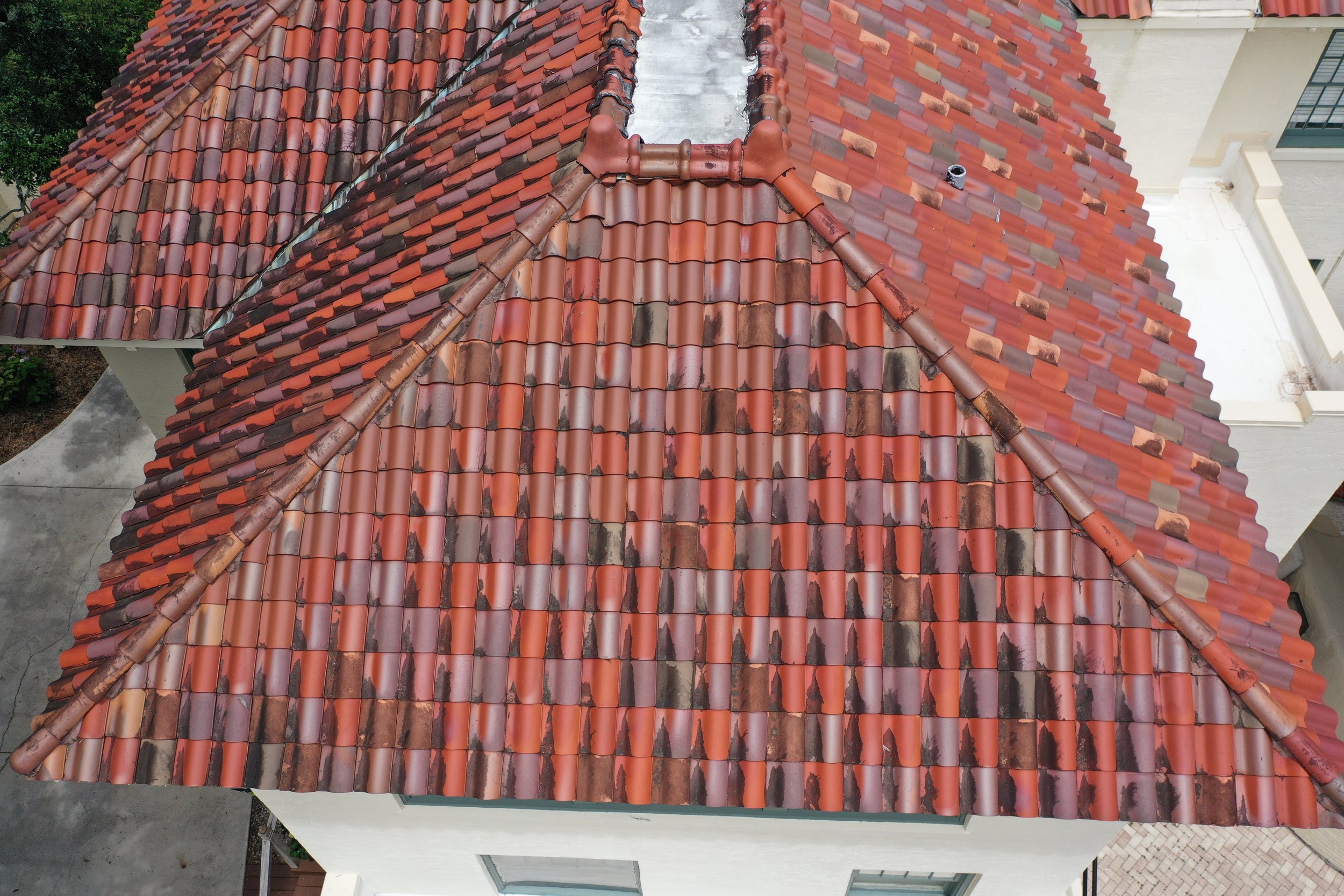
Clay and concrete roof tiles can have exceptionally long service lives.
However, when determining the expected life of a tile roof system in Florida, it is important to consider both the tile material and the waterproofing underlayment installed beneath the tiles.
The roof tiles themselves may remain serviceable for many decades.
Clay and concrete tiles may potentially last 50 years, 80 years, or even longer, depending on the tile material, installation, maintenance, and environmental exposure.
But the tile itself is only one part of the roofing system.
The Underlayment Is a Critical Part of a Tile Roof
Beneath the roof tiles is a waterproofing underlayment that helps protect the roof deck from water intrusion.
This underlayment generally has a considerably shorter service life than the tile material itself.
Depending on the type of underlayment, installation quality, heat exposure, roof conditions, and maintenance, tile-roof underlayment may commonly require replacement after approximately 20 to 25 years or more.
This is extremely important for Florida homebuyers to understand.
A 25- or 30-year-old tile roof should not automatically be considered to have decades of remaining useful life simply because the clay or concrete tiles themselves may be capable of lasting much longer.
The practical life expectancy of a tile roof system should take into account both the tile material and the waterproofing underlayment beneath it.
The tiles may still appear to be in excellent condition while the underlayment is approaching the end of its useful service life.
If the underlayment eventually requires replacement, the roof tiles may need to be removed so the waterproofing system beneath them can be replaced. Depending on the tile type and condition, some of the existing tiles may sometimes be reused.
What Can a Home Inspector See on a Tile Roof?
During a home inspection, visible conditions that may indicate concerns with an older tile roofing system can include:
Cracked tiles
Broken tiles
Displaced tiles
Loose tiles
Previous repairs
Damaged flashing
Deteriorated sealants or mortar
Evidence of moisture intrusion
Water staining in accessible attic areas
Deterioration around roof penetrations
Because the waterproofing underlayment is concealed beneath the tiles, its complete condition generally cannot be directly determined during a visual home inspection.
For older tile roofs, the age of the roof, installation history, visible condition, evidence of prior leakage, condition of flashing, and accessible attic conditions should all be considered when evaluating remaining useful service life.
How Long Does a Flat or Low-Slope Roof Last in Florida?
Low-slope roofing systems tend to have shorter expected service lives than many steep-slope roofing materials.
Typical Florida estimates include:
Built-up roofing: approximately 5–15 years
Modified bitumen: approximately 10 years
TPO roofing: approximately 10–12 years
EPDM rubber roofing: approximately 10–15 years
These roofing systems are commonly found on additions, porches, commercial-style structures, and some residential homes.
Drainage is especially important on low-slope roofing systems.
Ponding water, damaged seams, improper flashing, failed sealants, previous repairs, and improperly sealed penetrations may significantly affect performance and service life.
Roof Age Does Not Tell the Whole Story
One of the most important things a homebuyer should understand is that roof age does not automatically equal roof condition.
For example, consider two homes with 12-year-old architectural shingle roofs.
One roof may remain in relatively good condition.
The other may already show:
Significant granule loss
Loose shingles
Failed adhesive seals
Damaged flashing
Storm damage
Previous repairs
Deteriorated vent flashing
Moisture intrusion
Soft or damaged roof decking
Both roofs may be the same age, but their remaining useful lives could be very different.
That is why a home inspector evaluates the actual visible condition of the roofing system, not simply the installation date.
Signs a Shingle Roof May Be Nearing the End of Its Service Life
Several conditions may indicate that an asphalt shingle roof is aging or deteriorating.
These may include:
Significant granule loss
Brittle shingles
Cracked shingles
Curling shingles
Loose shingles
Missing shingles
Shingles that are no longer properly sealed
Exposed roofing fasteners
Widespread repairs
Damaged flashing
Deteriorated plumbing vent flashing
Soft roof decking
Moisture staining in the attic
Active or previous roof leakage
One isolated defect does not necessarily mean the entire roof requires replacement.
However, when deterioration is widespread across multiple roof surfaces, the roofing system may be approaching the end of its useful service life.
Attic Conditions Can Tell Us a Lot About the Roof
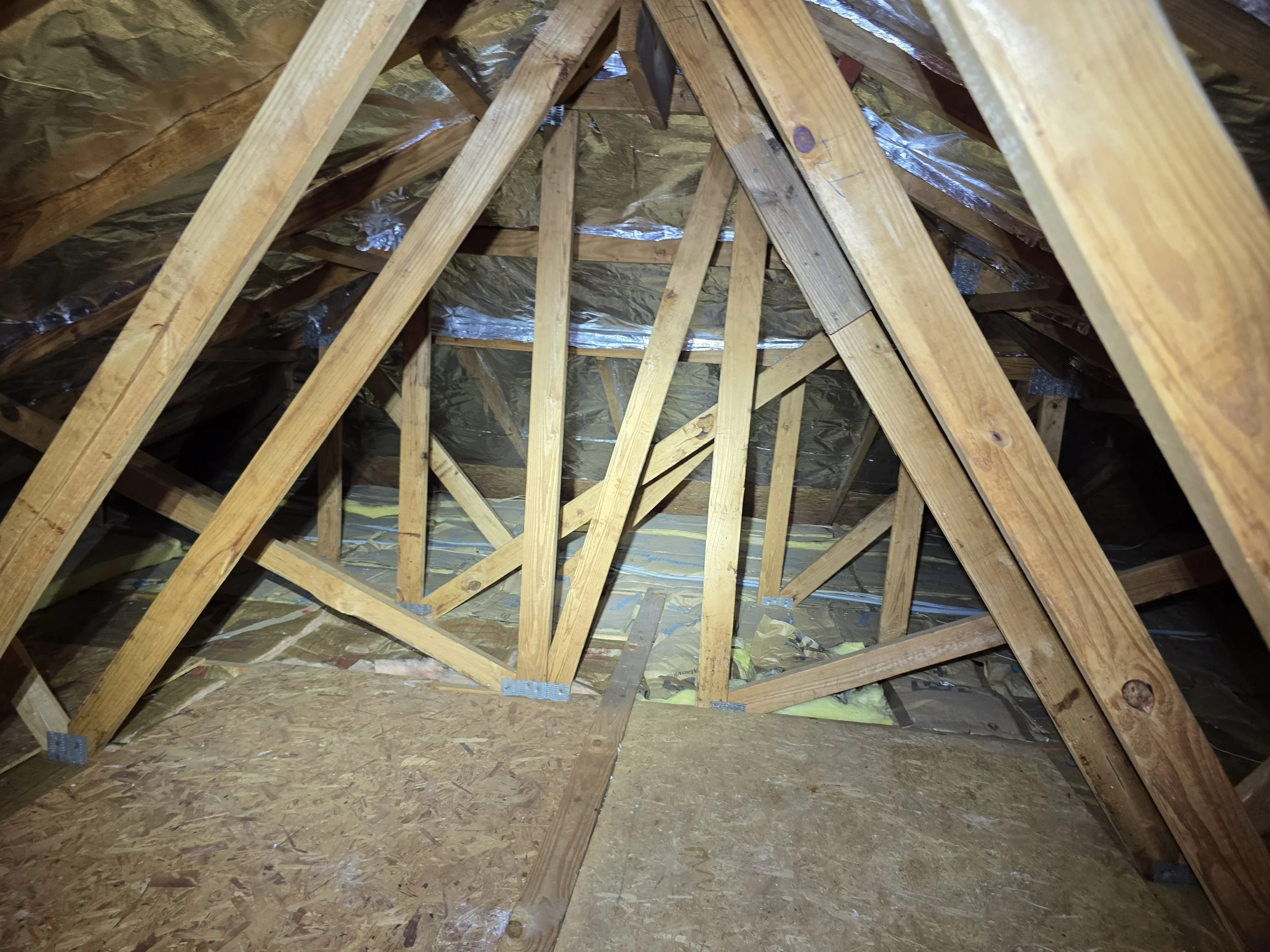
The attic can provide important information about how the roof has performed over time.
When accessible, a home inspector may look for:
Water stains
Active moisture
Damaged roof decking
Previous roof repairs
Improper roof penetrations
Evidence of leakage
Excessive humidity
Inadequate ventilation
Damaged structural components
Finding a stain does not automatically mean a roof is actively leaking.
Moisture testing and surrounding conditions may help determine whether the area appears active at the time of the inspection.
Roof Ventilation Can Affect Roof Life
Proper attic ventilation can also affect the performance of some roofing systems.
Excessive attic heat and moisture may contribute to premature deterioration of roofing materials, roof decking, insulation, and other components.
Proper intake and exhaust ventilation can help control attic temperature and moisture conditions.
Florida Storms Can Shorten a Roof's Life
Storm exposure is another reason age alone cannot determine remaining useful life.
Strong winds may:
Lift shingles
Break adhesive seals
Loosen roofing materials
Damage ridge shingles
Damage flashing
Displace tiles
Damage metal roof panels
Damage vents and penetrations
Some storm-related conditions may not immediately result in leakage but may make a roof more vulnerable to future deterioration or moisture intrusion.
Roof Condition Can Affect Florida Home Insurance
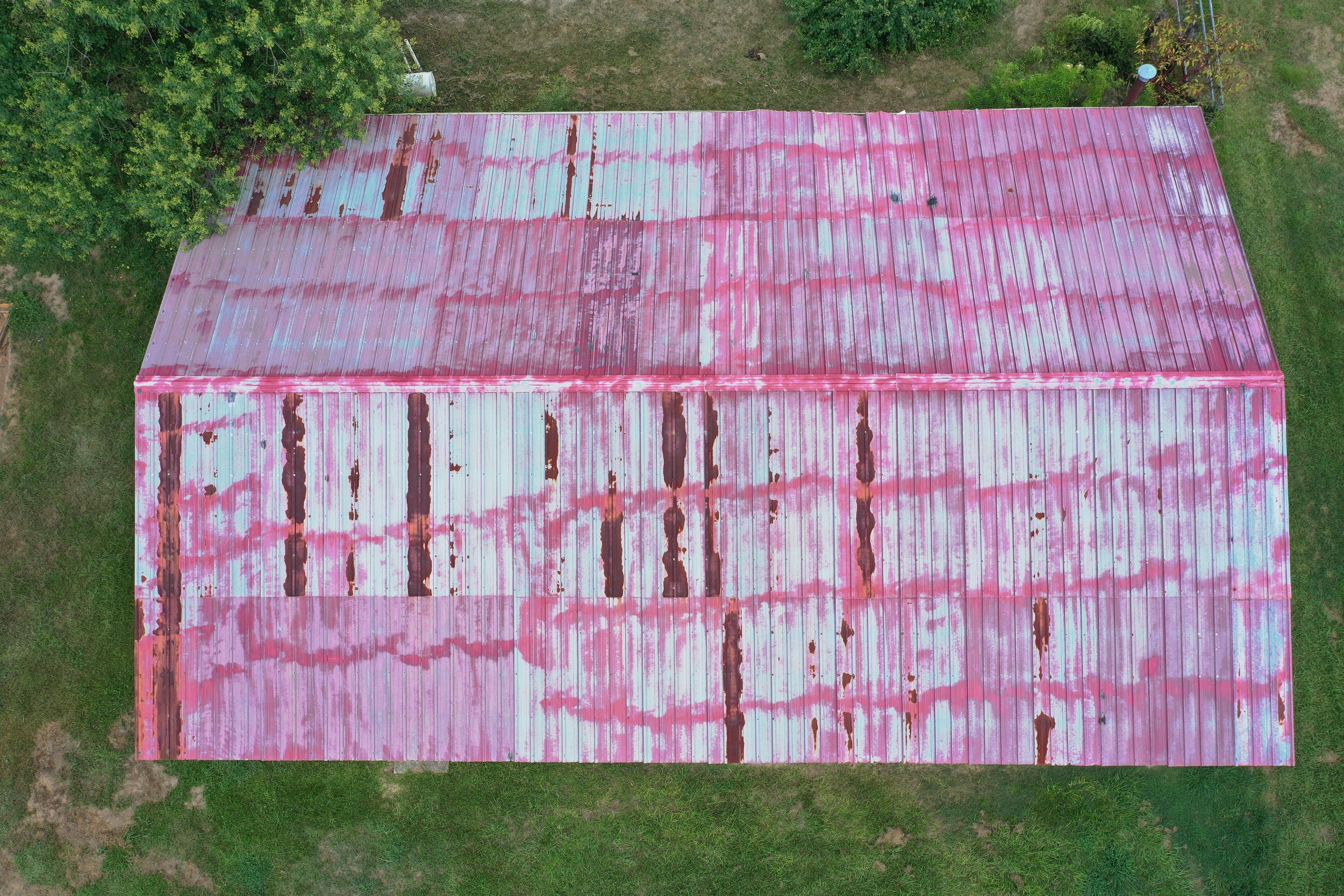
Roof age and condition can also become important when obtaining homeowners insurance in Florida.
Insurance companies may establish their own underwriting requirements based on factors such as:
Roof age
Roofing material
Roof condition
Remaining useful life
Previous damage
Visible deterioration
A roof may still be functioning but could potentially create insurance concerns depending on the carrier's underwriting requirements.
Homebuyers purchasing a property with an older roof should consider speaking with their insurance agent before closing to determine whether the roofing system may affect coverage or eligibility.
Does a Roof Automatically Need Replacement When It Reaches Its Life Expectancy?
No.
A service-life estimate should be treated as a general planning guideline, not an automatic expiration date.
A 17-year-old architectural shingle roof in good condition does not automatically need replacement simply because it falls within a 15- to 20-year expected service-life range.
Likewise, a 10-year-old roof should not automatically be considered problem-free simply because it is younger than the expected range.
The roof's actual condition is what matters most.
Installation quality, maintenance history, attic ventilation, storm exposure, environmental conditions, roofing material, and previous repairs can all affect how long a roof remains serviceable.
Why the Roof Inspection Is So Important When Buying a Florida Home
Roof replacement can represent one of the largest expenses associated with homeownership.
A professional home inspection can help identify visible roof defects and conditions before you purchase the property.
At J. Gregory Home Inspections, accessible roofing materials, flashing, penetrations, visible roof structure, accessible attic areas, and evidence of moisture intrusion are evaluated as part of the home inspection when conditions permit.
While a home inspection cannot predict the exact date a roof will fail or begin leaking, understanding the roof's present condition can help buyers make a more informed decision and better prepare for future repair or replacement costs.
Schedule a Home Inspection in Northwest Florida
If you're buying a home in Pensacola, Destin, or Niceville, having the roofing system professionally evaluated is an important part of understanding the overall condition of the property.
Florida's heat, sunlight, humidity, heavy rainfall, coastal environment, and storms can all affect roof performance and service life.
J. Gregory Home Inspections provides professional home inspection services throughout Northwest Florida.
J. Gregory Home Inspections
jgregoryinspections.com
850-904-6955
jgregoryinspections@gmail.com