Florida 4-Point Inspections Explained: What Homeowners Need to Know Before an Insurance Inspection
If you own an older home in Florida or are purchasing one, there is a good chance your homeowners insurance company may request a 4-point inspection before issuing or renewing your policy.
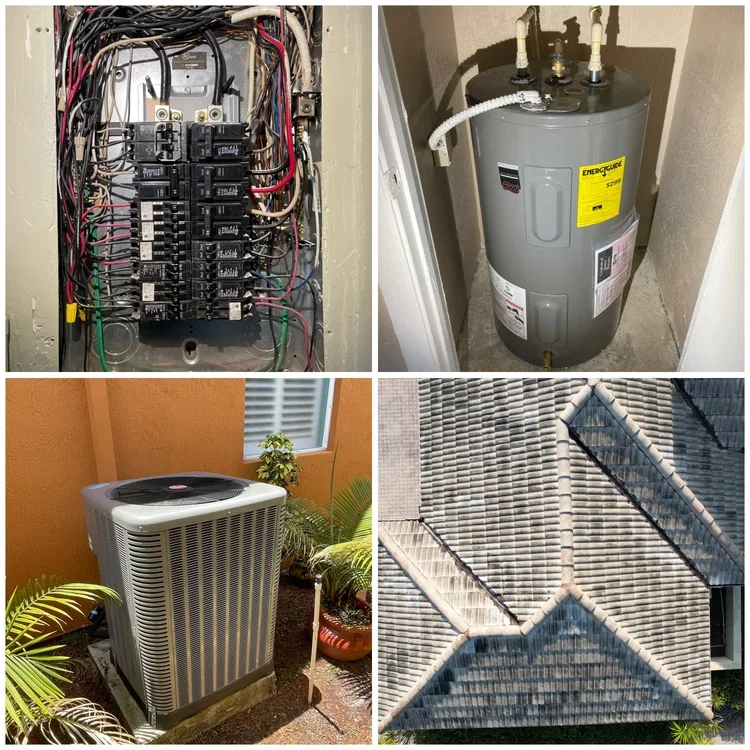
A 4-point inspection is different from a standard home inspection. Instead of evaluating the entire property, it focuses specifically on four major systems that insurance companies consider important when determining the risk associated with insuring a home:
Roofing
Electrical
Plumbing
Heating and cooling (HVAC)
Florida's Department of Financial Services describes the 4-point inspection as a specialized evaluation commonly requested by homeowners insurance companies when issuing or renewing coverage. (FLDFS)
For homeowners in Pensacola, Pace, and throughout Northwest Florida, understanding what inspectors look for can help you avoid surprises when it is time to obtain or renew homeowners insurance.
What Is a Florida 4-Point Inspection?
A Florida 4-point inspection documents the age, type, condition, and visible characteristics of the home's four primary systems.
Unlike a complete home inspection, the purpose of a 4-point inspection is primarily to provide information to an insurance company for underwriting purposes. The insurance company uses the report to help determine whether the home meets its underwriting requirements.
A 4-point inspection does not guarantee that a home will qualify for insurance. Individual insurance companies establish their own underwriting guidelines and ultimately decide whether to issue coverage.
This distinction is important because a component can still be functional during the inspection while having characteristics that concern an insurance carrier because of its age, condition, material, installation, or remaining service life.
When Is a 4-Point Inspection Required in Florida?
There is not one universal age at which every Florida insurance company requires a 4-point inspection. Requirements vary by insurance carrier.
However, inspections are particularly common with older homes.
For example, Citizens Property Insurance Corporation currently requires a 4-point inspection for certain property-owner, dwelling, and mobile-home applications when the property is more than 20 years old. (Public)
Other insurance companies may have different requirements or may request an inspection based on the home's age, construction, prior insurance history, or other underwriting considerations.
If your insurance agent tells you that a 4-point inspection is required, it is best to verify whether the insurer requires a particular form before scheduling the inspection.
1. The Roof
The roof is one of the most important portions of a Florida 4-point inspection.
Florida homes are exposed to intense sunlight, heavy rainfall, high humidity, tropical storms, and hurricanes. As a result, insurance companies typically want detailed information regarding the roof's age and condition.
During the inspection, the inspector may document:
Roof covering material
Approximate roof age
Overall condition
Visible deterioration
Evidence of active leaks
Evidence of previous leaks
Missing or damaged roofing materials
Visible roof repairs
Signs of deterioration or damage
Approximate remaining useful life when required by the applicable form
Common roof coverings in Florida include asphalt shingles, metal roofing systems, tile roofs, and various low-slope roofing materials.
Why Roof Age Matters
A roof does not necessarily have to be actively leaking to create an insurance concern.
An older roofing system may still be functioning but may have limited remaining service life. Insurance carriers can establish their own requirements concerning acceptable roof age, condition, documentation, and remaining useful life.
That is why homeowners should avoid assuming that a roof will automatically pass an insurance inspection simply because it is not currently leaking.
2. The Electrical System
The electrical portion of a 4-point inspection generally includes an evaluation of the home's primary electrical equipment and visible wiring.
The inspector may document items such as:
Main electrical panel
Subpanels when applicable
Electrical service amperage
Wiring materials
Visible electrical hazards
Double-tapped breakers where applicable
Open electrical components
Damaged or deteriorated wiring
Improperly installed components
Certain older electrical equipment or wiring systems
Evidence of overheating or damage
Insurance companies can be particularly interested in older or obsolete electrical systems because some components may present an increased risk of electrical failure or fire.
Older Wiring Systems
Older Florida homes may contain electrical systems or wiring materials that receive additional scrutiny from insurance companies.
Depending on the age of the property, an inspector may encounter:
Cloth-covered wiring
Aluminum branch-circuit wiring
Older electrical panels
Outdated electrical equipment
Ungrounded electrical systems
Previous modifications or repairs
The presence of an older component does not automatically mean that every insurance company will reject the property. Underwriting requirements vary between carriers.
The inspector's responsibility is to accurately document the visible system and its condition rather than determine whether an insurance company will provide coverage.
3. The Plumbing System
Water damage is one of the major concerns associated with residential properties, which makes the plumbing system another important part of the 4-point inspection.
The inspector generally identifies the visible plumbing materials and checks accessible components for evidence of leakage or deterioration.
Items evaluated may include:
Water supply piping
Drain and waste piping
Water heater
Visible plumbing leaks
Evidence of previous leaks
Corrosion
Deteriorated plumbing components
Plumbing materials present within the home
Certain older plumbing materials may receive additional attention from insurance carriers.
Plumbing Leaks Can Become Insurance Concerns
Even relatively small plumbing leaks can cause substantial damage when they continue unnoticed.
Moisture can damage:
Drywall
Cabinets
Flooring
Wood framing
Subflooring
Insulation
Persistent moisture can also create conditions favorable for microbial growth.
During inspections in Florida's humid climate, water intrusion and moisture-related conditions are particularly important to identify and document.
4. The HVAC System
The fourth system is the home's heating, ventilation, and air-conditioning equipment.
In Northwest Florida, air-conditioning systems operate extensively during much of the year, making their condition particularly important.
The inspector may document:
Approximate system age
Heating system type
Cooling system type
General equipment condition
Visible deterioration
Evidence of leaks
Whether the equipment responds to normal operating controls
Condition of accessible components
The inspection is not intended to provide the same level of evaluation as a complete diagnostic examination performed by an HVAC contractor.
If significant deficiencies are discovered, further evaluation or repair by a qualified HVAC professional may be recommended.
What Are Some Common Problems Found During Florida 4-Point Inspections?
Every property is different, but some conditions are encountered more frequently than others.
These may include:
Aging or deteriorated roof coverings
Roof leaks or evidence of previous leakage
Damaged roof flashing
Older electrical panels or wiring
Improper electrical modifications
Plumbing leaks
Corroded plumbing components
Older plumbing materials
Aging water heaters
Older HVAC equipment
HVAC condensation leaks
Damaged or deteriorated mechanical components
Discovering one of these conditions does not necessarily mean the property is uninsurable.
The insurance carrier ultimately determines whether repairs, additional documentation, replacement, or further evaluation will be required.
Does a 4-Point Inspection Mean My Home “Passed” or “Failed”?
A 4-point inspection should not necessarily be thought of as a traditional pass-or-fail inspection.
The inspector documents the condition of the systems and reports the findings. The insurance company then reviews the information and determines whether the property satisfies its underwriting guidelines.
Depending on the findings, an insurer may:
Accept the property as-is
Request additional information
Require photographs or documentation
Require repairs
Require replacement of a component
Request evaluation by a licensed contractor
Decline to insure the property
These decisions are made by the insurance company, not the home inspector.
What Happens If Problems Are Found?
If the inspection identifies an issue that the insurance company requires to be corrected, the homeowner may need to have repairs completed before coverage can be approved.
Documentation may then be required showing that the repairs were performed.
Depending on the situation, documentation could include:
Contractor invoices
Receipts
Photographs of completed repairs
Permits when applicable
Updated inspection documentation
Contractor certifications
Before making repairs solely for insurance purposes, homeowners should speak with their insurance agent or carrier to determine exactly what documentation will be required.
Is a 4-Point Inspection the Same as a Wind Mitigation Inspection?
No.
These two inspections are commonly confused, but they serve different purposes.
A 4-point inspection evaluates:
Roof
Electrical
Plumbing
HVAC
A wind mitigation inspection evaluates construction features that can help a home resist wind damage during hurricanes and severe storms.
Wind mitigation inspections may document features such as roof-deck attachment, roof-to-wall connections, roof geometry, secondary water resistance, and protection of exterior openings. Florida's Office of Insurance Regulation provides a specific Uniform Mitigation Verification Inspection Form for documenting qualifying wind-mitigation features. (FLOIR)
Depending on the property and insurance company, a homeowner may need both inspections.
Is a 4-Point Inspection the Same as a Full Home Inspection?
No. This is another important distinction.
A full home inspection is substantially more comprehensive.
A standard home inspection may evaluate:
Foundation and structural components
Exterior walls and siding
Roof
Attic
Insulation
Electrical system
Plumbing system
HVAC equipment
Interior rooms
Windows and doors
Built-in appliances
Garage
Porches and decks
Drainage and grading
Other readily accessible components
A 4-point inspection is specifically focused on information needed for insurance underwriting.
Homebuyers Should Not Substitute a 4-Point Inspection for a Full Home Inspection
If you are purchasing a house, obtaining a 4-point inspection does not provide the same protection as having a comprehensive home inspection performed.
Many significant problems can exist outside the four systems covered by the insurance inspection.
For homebuyers, the full home inspection and 4-point inspection serve two very different purposes.
How Should You Prepare for a 4-Point Inspection?
Homeowners can make the inspection process easier by ensuring that the major systems are accessible.
Before the inspector arrives:
Make sure the electrical panel is accessible.
Remove excessive storage around the water heater.
Provide access to the HVAC equipment.
Make attic access available when applicable.
Unlock gates or exterior areas needed to inspect the property.
Provide documentation for recent roof, plumbing, electrical, or HVAC replacements if available.
Tell the inspector about any recent major improvements.
Documentation can be particularly helpful when determining the age of systems that have been replaced.
For example, a permit, contractor invoice, or installation record may provide better evidence of a roof replacement date than estimating the age solely from visible condition.
Should You Repair Problems Before Scheduling the Inspection?
If you already know about obvious defects, repairing them before the inspection may prevent unnecessary delays with your insurance application.
Examples include:
Active plumbing leaks
Exposed electrical wiring
Missing electrical panel components
Active roof leaks
Severely damaged roofing materials
HVAC condensation leaks
Damaged plumbing fixtures or piping
However, avoid guessing about what your insurer requires. If an insurance company has specifically requested repairs, obtain the requirements from your insurance agent before performing the work whenever possible.
Who Can Perform a Florida 4-Point Inspection?
The person permitted to complete an inspection can depend on the insurance carrier and the form being used.
For example, Citizens states that its 4-point inspections must be completed by a verifiable Florida-licensed professional such as a licensed home inspector, building code inspector, or appropriately licensed contractor. Trade-specific professionals may be limited to certifying the portion associated with their particular trade. (Secure Support)
Before scheduling an inspection, homeowners should make sure the inspector meets the requirements of their particular insurance company.
How Long Is a 4-Point Inspection Good For?
This can depend on the insurance company.
Citizens currently states that qualifying 4-point inspections for applicable properties must have been completed within the previous year. Other insurance companies may establish different requirements. (Secure Support)
If you already have an inspection report, ask your insurance agent whether the existing report is still acceptable before ordering another inspection.
Why 4-Point Inspections Are Especially Important in Florida
Florida presents several challenges that can affect residential properties.
Homes are regularly exposed to:
High humidity
Heavy rainfall
Intense sunlight
High temperatures
Tropical storms
Hurricanes
Salt-laden coastal air in some locations
These environmental conditions can accelerate deterioration of roofing materials, exterior electrical equipment, HVAC systems, plumbing components, and other building materials.
For homeowners, maintaining these systems is important not only for insurance purposes but also for protecting the home itself.
Schedule a 4-Point Inspection in Northwest Florida
If your insurance company has requested a 4-point inspection, J. Gregory Home Inspections provides professional 4-point inspections throughout Northwest Florida.
As a Florida-licensed home inspection company, we inspect and document the roofing, electrical, plumbing, and HVAC systems required for the insurance inspection and provide the completed report and supporting photographs needed for submission to your insurance provider.
Whether you are purchasing an older home, changing insurance companies, or renewing an existing policy, having the inspection completed early can help identify potential issues before they delay your insurance coverage.
J. Gregory Home Inspections
Phone: 850-904-6955
Email: jgregoryinspections@gmail.com
Website: jgregoryinspections.com
Serving homeowners throughout Northwest Florida.