Mold Assessments in Florida: What Homeowners Need to Know
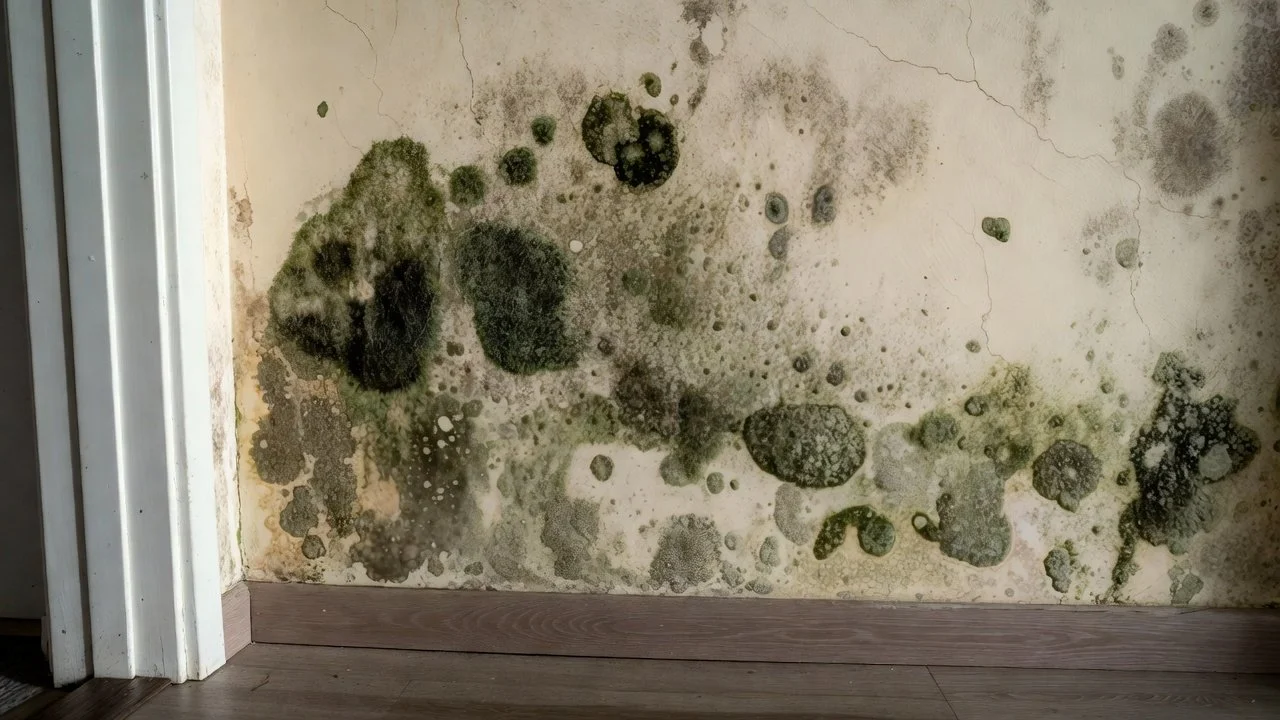
Living in Florida has plenty of advantages, but our warm temperatures, high humidity, frequent thunderstorms, hurricanes, plumbing leaks, and heavily used air-conditioning systems can also create favorable conditions for mold growth.
For homeowners and homebuyers, discovering suspected mold can raise a lot of questions:
Is it actually mold?
Where is the moisture coming from?
How far has the problem spread?
Is mold testing necessary?
Does the home need professional mold remediation?
Who should evaluate the problem?
A professional mold assessment can help answer those questions and provide a clearer picture of what is happening inside the home.
At J. Gregory Home Inspections, we perform mold assessments for residential properties throughout Northwest Florida, including areas such as Pensacola, Fort Walton Beach, and Destin.
What Is a Mold Assessment?
A mold assessment is more than simply looking for visible mold.
Under Florida law, mold assessment involves evaluating information obtained through the building history, inspection, and physical sampling to help determine the possible origin, identity, location, and extent of mold growth. Florida regulates mold-related services under Chapter 468, Part XVI of the Florida Statutes.
During a mold assessment, the assessor is looking at the overall moisture and building conditions that may be contributing to fungal growth.
The goal is not simply to determine whether mold exists. Mold spores naturally occur in both outdoor and indoor environments. The more important questions are whether abnormal mold growth is occurring inside the building, what is causing it, and what areas or materials may be affected.
Why Mold Is So Common in Florida Homes
Florida's climate makes moisture control particularly important.
Warm outdoor temperatures combined with high humidity can place a significant moisture load on a home. When moisture becomes trapped inside building materials or indoor humidity remains elevated for extended periods, mold may begin growing on materials containing organic matter.
Common moisture sources we encounter include:
Roof leaks
Plumbing leaks
Air-conditioning condensate leaks
High indoor humidity
HVAC system problems
Condensation on ducts, refrigerant lines, registers, or building surfaces
Water intrusion around windows and doors
Improperly ventilated bathrooms
Crawlspace moisture
Flooding or storm-related water intrusion
Wet drywall, carpet, insulation, or wood framing
Homes left vacant without adequate climate control
Finding mold without identifying the moisture source can result in the problem returning even after affected materials are cleaned or removed.
That is why a good mold assessment should focus on both the mold and the moisture conditions contributing to it.
Signs You May Need a Mold Assessment
Not every mold problem is obvious. Sometimes visible growth is present, while other times the first indication is an odor, water stain, or history of moisture intrusion.
Consider having the property evaluated if you notice:
Visible Suspected Mold Growth
Discoloration or growth may appear on drywall, ceilings, wood framing, cabinets, HVAC components, insulation, carpet, or other materials.
Not every stain or discoloration is mold, however, which is one reason professional evaluation and appropriate sampling can be helpful.
Musty or Unusual Odors
A persistent musty odor can sometimes indicate moisture or microbial growth, even when nothing obvious is visible.
Growth may be concealed inside wall cavities, beneath flooring, behind cabinets, inside HVAC components, or in other areas that cannot be readily observed.
Previous or Active Water Leaks
If a roof, plumbing fixture, water heater, HVAC system, window, or other component has leaked, affected materials may remain damp long enough for mold growth to occur.
Elevated Indoor Humidity
Florida homes generally require effective air conditioning and moisture control.
When indoor relative humidity remains elevated for extended periods, condensation and mold growth become more likely.
Water Stains or Elevated Moisture
Ceiling stains, damaged drywall, swollen baseboards, deteriorated cabinets, wet carpet, or elevated readings with moisture-detection equipment may indicate an active or previous moisture problem.
Mold Inside an HVAC System
Mold or suspected microbial growth can sometimes develop inside air handlers, return-air cabinets, supply plenums, ductwork, or around refrigerant and condensate components.
Because HVAC systems circulate air throughout a home, these areas deserve careful evaluation.
What Happens During a Mold Assessment?
Every property is different, but a mold assessment will generally involve several components.
1. Reviewing the Property History
Understanding what has happened inside the building can provide important clues.
The assessor may ask about:
Previous roof leaks
Plumbing leaks
Flooding
HVAC problems
High indoor humidity
Previous mold problems
Past remediation
Recent renovations
Musty odors
Areas where occupants have noticed staining or suspected growth
This information helps determine where closer evaluation may be appropriate.
2. Visual Inspection
The assessor examines accessible areas of the property for conditions associated with moisture intrusion and suspected microbial growth.
Depending on the property and scope of the assessment, this may include areas such as:
Walls and ceilings
Floors
Bathrooms
Kitchens
Cabinets
Closets
Attics
Crawlspaces
HVAC equipment
Air-return cabinets
Supply plenums
Areas surrounding windows and exterior doors
Areas near known plumbing or roof leaks
Visible conditions are documented when appropriate.
3. Moisture Detection
Moisture is one of the most important pieces of the puzzle.
Moisture meters and other inspection equipment may be used to identify areas where building materials contain elevated moisture levels.
These readings can help determine whether water intrusion is currently occurring or whether additional investigation is warranted.
Thermal imaging may also be useful for identifying temperature patterns that warrant further investigation, although thermal imaging by itself does not detect mold or confirm moisture.
4. Indoor Humidity Measurements
Indoor temperature and relative humidity can provide valuable information about the conditions inside the home.
Persistently elevated humidity may indicate problems involving:
HVAC operation
Oversized or improperly functioning air-conditioning equipment
Air leakage
Ventilation
Building-envelope problems
Moisture intrusion
Correcting excessive humidity is often an important part of preventing mold from returning.
5. Mold Sampling
Depending on the conditions observed, physical samples may be collected for laboratory analysis.
Common sampling methods include:
Air Samples
Air samples collect airborne particles and fungal spores from selected indoor locations.
An outdoor reference sample may also be collected so indoor fungal conditions can be compared with the outdoor environment.
Air sampling can sometimes identify elevated fungal concentrations even when significant growth is not readily visible.
Swab Samples
A sterile swab can be used to collect a sample directly from suspected microbial growth on a surface.
This type of sampling can help identify fungal material present at a particular location.
Other Surface Samples
Tape lifts or other collection methods may occasionally be used depending on the material and circumstances.
Samples are typically submitted to a qualified laboratory for analysis.
Laboratory results should always be interpreted together with the physical conditions observed during the assessment. A laboratory report by itself does not identify the moisture source or explain why mold developed.
Florida Has Specific Mold Licensing Requirements
Florida regulates individuals who perform mold assessments and mold remediation services.
Florida law defines a mold assessment as a process performed by a mold assessor that includes sampling and evaluation of building history and inspection data related to mold amplification greater than 10 square feet. The statutes also establish exemptions for certain property owners and professionals working within the scope of other licenses.
For homeowners hiring someone specifically to provide professional mold-assessment services, checking the individual's Florida license is an important step.
The Florida Department of Business and Professional Regulation, commonly called DBPR, oversees Florida's mold-related services licensing program.
What Does the 10-Square-Foot Rule Mean?
The 10-square-foot threshold is frequently misunderstood.
Florida's statutory definitions of regulated mold assessment and mold remediation specifically reference mold growth or mold-contaminated material greater than 10 square feet.
That does not mean that mold covering less than 10 square feet should automatically be ignored.
A smaller affected area can still indicate:
A plumbing leak
Roof leakage
HVAC condensation
Excessive indoor humidity
Hidden moisture
A developing problem that could become larger
The conditions surrounding the growth still need to be considered.
Mold Assessment and Mold Remediation Are Different Services
One of the most important distinctions for Florida homeowners is the difference between a mold assessor and a mold remediator.
The mold assessor investigates and evaluates the condition.
The mold remediator performs work such as removing contaminated materials, cleaning affected areas, and carrying out other remediation procedures.
Florida law generally prohibits a mold assessor or the assessor's company from performing or offering to perform mold remediation on a structure the assessor or company assessed within the previous 12 months, subject to a statutory exception for certain Division I contractors. Florida also restricts a remediator from assessing a structure the remediator or company remediated during the preceding 12 months.
This separation can provide an important level of independence.
The person determining the extent of the mold problem generally should not have a financial incentive to make the remediation project larger than necessary.
What Happens If Mold Is Found?
The next step depends on the extent of the condition, affected materials, moisture source, laboratory findings, and other circumstances.
Recommendations may include:
Correcting plumbing or roof leaks
Repairing HVAC problems
Reducing indoor humidity
Removing water-damaged porous materials
Cleaning appropriate nonporous materials
Replacing contaminated insulation
Removing damaged drywall or carpet
Having HVAC components professionally cleaned or repaired
Further evaluation by an appropriate contractor
Professional mold remediation when warranted
For larger or more complicated mold conditions, a mold remediation protocol may be developed to provide the remediation contractor with guidance regarding affected locations, materials, removal procedures, containment, cleaning, and other project requirements.
Why You Should Correct the Moisture Problem First
Removing mold without correcting the underlying moisture condition is rarely a complete solution.
For example, replacing mold-affected drywall will not solve the problem if the roof above it continues leaking.
Similarly, cleaning mold from an air handler may provide only temporary results if indoor humidity remains excessively high or condensation continues developing inside the HVAC system.
Successful mold correction generally involves two parts:
1. Address the moisture source.
2. Correct the mold-affected materials.
Both are important.
What Is a Post-Remediation Verification Assessment?
After professional mold remediation has been completed, a Post-Remediation Verification, or PRV, may be performed.
The purpose of the PRV is to evaluate whether the remediation work appears to have achieved its objectives.
Depending on the remediation project and protocol, this may involve:
Visually examining remediated areas
Looking for remaining visible fungal growth or contaminated material
Checking whether affected materials have been removed as required
Evaluating moisture conditions
Confirming that previously wet materials are sufficiently dry
Collecting post-remediation samples when appropriate
A PRV can provide valuable documentation before containment is removed or reconstructed areas are closed.
Can Mold Affect Health?
Mold exposure can affect people differently.
Some individuals may experience irritation or allergy-like symptoms around mold, while others may experience little or no noticeable reaction.
A mold assessor evaluates the building and environmental conditions, not the health of the occupants.
Anyone experiencing health concerns that they believe may be associated with mold exposure should discuss those concerns with a qualified healthcare provider. A mold assessment or laboratory mold report should not be used as a medical diagnosis.
Mold Assessment vs. Home Inspection
A standard home inspection and a mold assessment are not the same service.
A home inspection is primarily a visual evaluation of the home's readily accessible systems and components. A home inspector may discover moisture damage or suspected microbial growth during the inspection, but that does not automatically constitute a complete mold assessment.
When significant suspected fungal growth, unexplained moisture, elevated humidity, or a history of water intrusion is present, a separate mold assessment may be appropriate.
Should You Have a Mold Assessment Before Buying a Florida Home?
Not every home purchase requires a separate mold assessment.
However, it may be worth considering when the property has:
Visible suspected mold growth
Significant water staining
Known previous flooding
An active or previous roof leak
Plumbing leakage
Musty odors
High indoor humidity
Moisture-damaged building materials
Suspected growth inside the HVAC system
A history of mold remediation
Long periods when the property was vacant without climate control
Finding these conditions before closing can give a buyer an opportunity to better understand the extent of the problem and determine whether additional repairs or remediation may be necessary.
Mold Problems Are Often Moisture Problems
When mold is discovered, it is easy to concentrate entirely on the mold itself.
But mold is often the symptom of another building problem.
The real cause may be a leaking roof, defective plumbing, improperly operating HVAC equipment, condensation, poor ventilation, or excessive humidity.
A thorough mold assessment should therefore look beyond the visible growth and attempt to determine why conditions favorable to mold developed in the first place.
Fixing that underlying condition is one of the most important steps toward preventing recurrence.
Mold Assessments in Northwest Florida
Florida homes experience environmental conditions that can make moisture control challenging throughout much of the year.
If you have discovered suspected mold, unexplained staining, a musty odor, elevated indoor humidity, or evidence of a previous water leak, J. Gregory Home Inspections can evaluate the property and help you better understand the conditions present.
We provide professional mold assessment services for homeowners, homebuyers, property owners, and real estate clients throughout Northwest Florida.
To learn more or schedule an assessment, visit jgregoryinspections.com.
Frequently Asked Questions
Is mold testing always necessary?
The appropriate assessment and sampling strategy depends on the property and the conditions observed. The purpose of sampling is to provide useful information that can be interpreted along with the inspection findings, moisture conditions, and building history.
Can a moisture meter detect mold?
No. A moisture meter detects or estimates moisture conditions within certain materials. It does not identify mold. However, locating elevated moisture can help identify areas where further investigation is appropriate.
Can a thermal camera see mold?
No. Thermal imaging detects surface-temperature differences. Certain patterns may help identify areas warranting further moisture investigation, but a thermal camera cannot determine whether mold is present.
Does bleach permanently solve a mold problem?
Simply applying bleach or another chemical does not correct the underlying reason mold developed. Water-damaged or mold-contaminated porous materials may require removal, and the source of moisture must also be corrected.
Can mold grow inside an air-conditioning system?
Yes. Mold or other microbial growth may develop on HVAC insulation, air-handler components, supply plenums, return-air cabinets, duct materials, or other surfaces when adequate moisture is present.
Who should perform mold remediation?
For mold conditions falling within Florida's regulated mold-remediation requirements, homeowners should use an appropriately licensed professional. The appropriate contractor can also depend on whether the work involves HVAC, plumbing, electrical, structural, or other components that require separate contractor licensing.
Should a home be tested after mold remediation?
A Post-Remediation Verification assessment can help determine whether visible contamination has been removed, moisture conditions have been corrected, and the remediation objectives have been met before reconstruction or final project completion.