

Common Home Inspection Problems in Destin and Miramar Beach
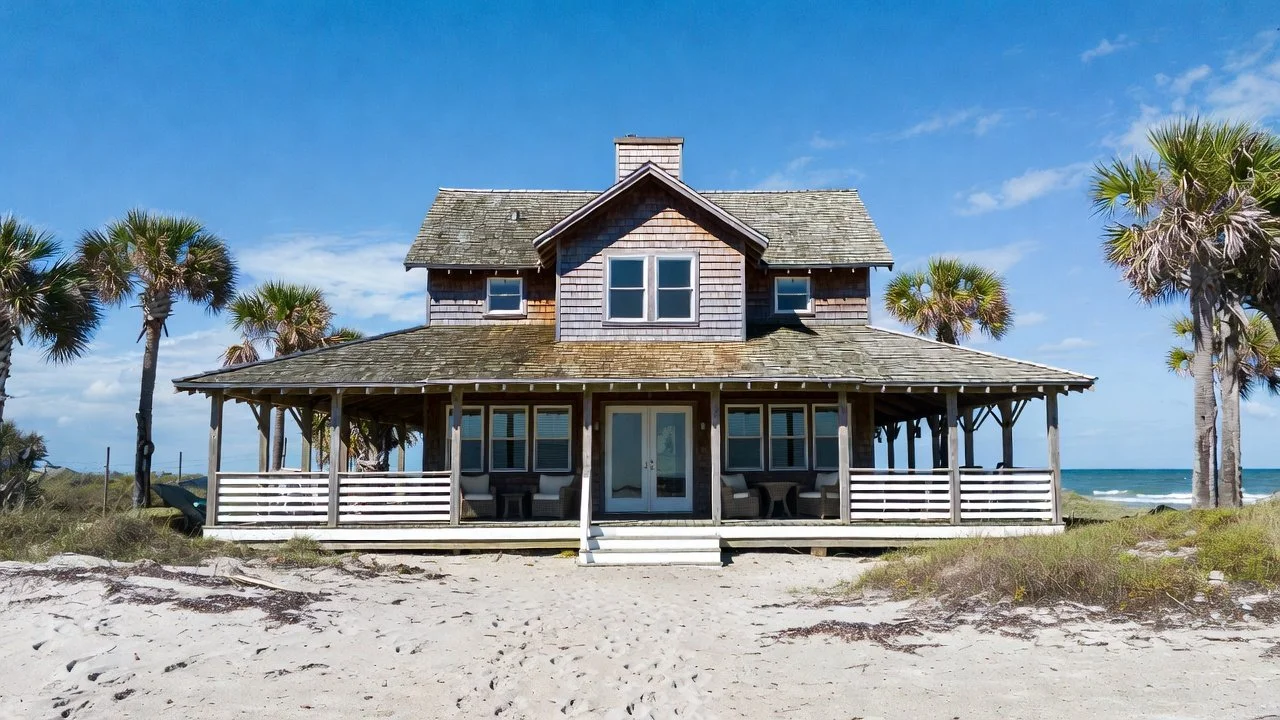
Buying a home, condo, vacation property, or investment rental in Destin or Miramar Beach can be an exciting opportunity. However, properties located near the Gulf of America are exposed to environmental conditions that can accelerate deterioration and create problems that may not be obvious during a typical showing.
Salt air, high humidity, wind-driven rain, intense sunlight, tropical storms, and frequent use as vacation rentals can all affect a property’s condition. A professional home inspection can help buyers better understand these issues before completing the purchase.
Below are some of the most common home inspection problems found in Destin and Miramar Beach properties.
1. Roof Damage and Deteriorated Roofing Materials
The roof is one of the most important systems evaluated during a home inspection. Coastal weather conditions can cause roofing materials to deteriorate more quickly than they might in less demanding environments.
Common roof-related findings may include:
Missing, loose, lifted, or damaged shingles
Deteriorated roof flashing
Damaged plumbing vent boots
Exposed or improperly installed fasteners
Previous repairs that were not completed properly
Soft or damaged roof decking
Evidence of active or previous roof leakage
Excessive granule loss on asphalt shingles
Corrosion on metal roofing components
Improperly sealed roof penetrations
Strong winds and wind-driven rain can force water beneath damaged or improperly installed roofing materials. Even a relatively small roof defect can eventually contribute to moisture damage in the attic, ceilings, walls, or insulation.
Buyers should also understand that a roof may still be functioning at the time of the inspection while approaching the end of its expected service life. The roof’s age and condition may also affect insurance availability or premiums.
2. Salt-Air Corrosion
Salt carried through the coastal air can accelerate corrosion on exposed metal components. This is especially common in homes and condominiums located close to the beach or Choctawhatchee Bay.
Corrosion may be found on:
Exterior air-conditioning equipment
Electrical panels and disconnects
Fasteners and connectors
Balcony railings
Metal roofing components
Exterior light fixtures
Door hardware
Plumbing fixtures
Pool equipment
Garage-door components
Water heaters
Some corrosion is cosmetic, but advanced corrosion can weaken materials, damage electrical connections, reduce equipment life, and create safety concerns.
For example, corrosion inside an electrical panel may affect breaker connections or other components. Corrosion on an exterior HVAC condenser can also damage coils and shorten the system’s remaining service life.
3. Elevated Humidity and Moisture Problems
Destin and Miramar Beach experience long periods of warm, humid weather. When indoor humidity is not controlled properly, moisture can accumulate inside the home and contribute to odors, material deterioration, condensation, and possible microbial growth.
Common humidity-related findings include:
Condensation around air-conditioning vents
Moisture staining on ceilings or walls
Musty odors
Rust around HVAC components
Deteriorated drywall or trim
Moisture below windows and exterior doors
Possible microbial growth inside closets, HVAC cabinets, or return-air areas
Elevated moisture readings in building materials
Humidity problems may develop when an air-conditioning system is not operating properly, is oversized, has restricted airflow, or is turned off for long periods.
This is particularly important for vacation homes and rental properties that may remain unoccupied between guests. Turning the air conditioner off or setting the thermostat too high can allow indoor humidity levels to rise significantly.
4. HVAC System Deterioration
Air-conditioning systems in coastal areas often operate under demanding conditions. Long cooling seasons, high humidity, salt exposure, and frequent occupancy can place additional stress on HVAC equipment.
Common HVAC problems may include:
Corroded outdoor condenser units
Inadequate cooling
Restricted or dirty air filters
Damaged refrigerant-line insulation
Condensate drain leaks or clogs
Water inside emergency drain pans
Corrosion inside air handlers
Damaged ductwork
Air leakage around equipment cabinets
Possible microbial growth inside return-air cabinets
Improperly supported or disconnected ducts
Aging equipment near the end of its service life
The HVAC system does more than cool the property. It also helps control indoor humidity. An improperly functioning system may contribute to moisture problems even if the indoor temperature feels reasonably comfortable.
5. Window and Exterior Door Leaks
Windows and exterior doors are common locations for water intrusion, especially during wind-driven rain.
Inspectors may find:
Failed or deteriorated sealant
Loose or damaged flashing
Moisture staining below windows
Soft or deteriorated trim
Damaged weatherstripping
Fogged glass from failed insulated seals
Doors that do not close or latch properly
Corrosion around hardware
Water damage at door thresholds
Improperly installed replacement windows
Sliding glass doors are especially common in Destin and Miramar Beach condos and vacation properties. These doors may develop worn tracks, damaged rollers, deteriorated seals, or corrosion that makes them difficult to operate.
Because water intrusion may only occur during certain weather conditions, signs such as staining, swelling, corrosion, or elevated moisture readings should not be ignored.
6. Balcony, Deck, and Railing Problems
Many coastal properties include balconies, elevated decks, exterior stairs, or rooftop areas. These components are exposed to sunlight, rain, humidity, salt air, and frequent foot traffic.
Common findings may include:
Loose or deteriorated railings
Excessive spacing between railing components
Wood rot
Corroded fasteners
Damaged waterproof coatings
Cracked balcony surfaces
Improper drainage
Loose decking boards
Deteriorated stairs
Inadequate attachment to the structure
Evidence of moisture intrusion below balconies
In condominium buildings, some balcony components may be maintained by the association rather than the individual unit owner. However, visible conditions inside or adjacent to the unit can still affect safety, maintenance expenses, and future assessments.
The full structural condition of a concealed balcony assembly may not be visible during a standard home inspection. Further evaluation may be recommended when significant deterioration or movement is observed.
7. Exterior Siding and Stucco Defects
Stucco, fiber-cement siding, vinyl siding, and other exterior cladding materials are commonly used throughout Northwest Florida. These materials help protect the structure from water intrusion, but defects can allow moisture to enter concealed wall assemblies.
Common exterior findings include:
Cracked stucco
Missing or deteriorated sealant
Gaps around windows and doors
Loose siding
Damaged trim
Improper clearances above roofs or soil
Missing flashing
Unsealed wall penetrations
Wood rot
Impact damage
Evidence of previous repairs
Small cracks may be cosmetic, but larger cracks, repeated cracking, moisture staining, or soft materials may indicate an underlying water-intrusion or movement issue.
8. Attic Moisture and Ventilation Problems
When attic access is available, the attic can reveal important information about the roof, insulation, ventilation, electrical system, and previous leakage.
Common attic findings may include:
Roof-deck staining
Active or previous roof leaks
Damaged or displaced insulation
Inadequate insulation coverage
Improper ventilation
Disconnected bathroom exhaust ducts
Damaged framing
Improperly modified rafters or trusses
Exposed electrical connections
Condensation
Possible microbial growth
Signs of pest activity
Some coastal homes have spray-foam insulation installed along the underside of the roof deck. Spray foam can improve energy efficiency when properly designed and installed, but problems may develop when the attic is not conditioned or ventilated as intended.
An inspection should evaluate visible conditions, but specialized evaluation may be necessary when moisture problems or suspected microbial growth are present.
9. Plumbing Leaks and Water Damage
Plumbing leaks can be especially damaging in vacation properties because a leak may remain unnoticed while the home is unoccupied.
Common plumbing findings include:
Leaks below sinks
Loose toilets
Toilets that continue running
Slow drains
Corroded water-supply connections
Damaged water-heater components
Improperly installed drain piping
Missing or damaged shutoff valves
Leaks around tubs and showers
Moisture damage in cabinets or walls
Deteriorated caulking around plumbing fixtures
Water heaters located in closets, attics, garages, or interior utility rooms should be evaluated carefully. Drain pans, discharge piping, corrosion, and leakage can all affect the risk of water damage.
For properties that are not occupied full time, buyers may also want to consider automatic water-shutoff systems or leak-detection devices.
10. Electrical Problems
Electrical defects can be found in properties of any age. Older homes may have outdated components, while newer homes may contain installation errors or modifications performed after construction.
Common electrical findings may include:
Corrosion inside electrical panels
Loose or improperly terminated wiring
Double-tapped breakers
Missing GFCI protection
Missing AFCI protection where applicable
Open-ground receptacles
Damaged exterior outlets
Missing panel openings or knockout covers
Improperly installed panel screws
Unprotected wiring
Missing junction-box covers
Extension cords used as permanent wiring
Inadequate labeling of electrical panels
Outdoor outlets, pool equipment, docks, balconies, kitchens, bathrooms, garages, and other wet or damp locations require particular attention because electricity and moisture can create serious safety hazards.
11. Drainage and Grading Problems
Heavy rainfall is common in Northwest Florida. The property should be designed to move water away from the building rather than allowing it to collect near the foundation or exterior walls.
Common drainage concerns include:
Soil sloping toward the house
Standing water near the foundation
Damaged or missing gutters
Downspouts discharging too close to the structure
Erosion
Clogged drainage systems
Landscaping that blocks drainage
Irrigation spraying the exterior walls
Water collecting on patios or balconies
Poor drainage can contribute to moisture intrusion, foundation movement, wood deterioration, pest activity, and damage to exterior finishes.
12. Problems Associated With Vacation Rentals
Destin and Miramar Beach contain many short-term vacation rentals. Frequent guest turnover can increase wear on doors, plumbing fixtures, appliances, flooring, railings, and HVAC systems.
A vacation rental may also contain repairs completed quickly between guests rather than permanent professional repairs.
Inspectors may find:
Loose doors and cabinet hardware
Damaged flooring
Plumbing leaks
Broken appliances
Improper electrical repairs
Loose railings
Damaged furniture blocking access to components
Excessive wear on HVAC systems
Water damage that was cosmetically covered
Missing safety devices
Buyers purchasing an investment property should consider not only whether components are currently functioning but also their condition and remaining service life. Unexpected repairs can affect rental income and operating expenses.
13. Condo-Specific Inspection Concerns
A condo inspection is different from an inspection of a detached single-family home. Some building systems and exterior components may be maintained by the condominium association.
A condo inspection may include visible and accessible portions of:
Interior electrical systems
Plumbing fixtures
HVAC equipment
Appliances
Windows and doors
Walls, ceilings, and floors
Balconies associated with the unit
Visible moisture damage
Accessible attic areas, when present
Common areas, roofs, elevators, foundations, fire-suppression systems, exterior walls, seawalls, and shared mechanical systems may be outside the scope of a standard unit inspection.
Before purchasing a condo, buyers should also review association documents, maintenance records, reserve information, insurance information, recent inspection reports, and planned special assessments.
14. Pool and Spa Defects
Pools are common in both single-family homes and condominium communities. A pool inspection can help identify visible problems with accessible equipment and components.
Common pool-related findings may include:
Leaking pumps or filters
Corroded pool equipment
Missing or damaged pressure gauges
Damaged electrical bonding components
Inoperable pool lights
Cracked decking
Loose coping
Deteriorated interior finishes
Improper gate or barrier conditions
Damaged drain covers
Excessive filter pressure
Worn or noisy pumps
Pool repairs can become expensive, particularly when underground piping, structural components, or interior finishes are involved.
Why a Local Home Inspection Matters
Homes in Destin and Miramar Beach face conditions that differ from properties located farther inland. A local inspector should understand the effects of:
Salt-air exposure
High indoor and outdoor humidity
Wind-driven rain
Tropical storms and hurricanes
Coastal construction methods
Vacation-rental use
Condominium ownership
Insurance inspection requirements
A home inspection cannot predict every future repair or reveal conditions concealed behind finished surfaces. However, it can provide valuable information about the visible condition of the property and help buyers make a more informed decision.
Schedule a Home Inspection in Destin or Miramar Beach
J. Gregory Home Inspections provides professional home inspections for buyers, sellers, homeowners, and investors throughout Destin, Miramar Beach, and surrounding Northwest Florida communities.
Our inspections are designed to help clients better understand the condition of the property, identify visible safety concerns, and recognize systems or components that may need repair, maintenance, or further evaluation.
To schedule an inspection, contact J. Gregory Home Inspections at 850-904-6955, email jgregoryinspections@gmail.com, or visit jgregoryinspections.com.
Frequently Asked Questions
How long does a home inspection take in Destin or Miramar Beach?
The time required depends on the size, age, condition, and type of property. Condos may take less time than large single-family homes with pools, multiple HVAC systems, or extensive exterior areas.
Should I inspect a vacation rental before buying it?
Yes. Vacation rentals can experience significant wear because of frequent guest turnover and constant use. An inspection can help identify visible damage, deferred maintenance, and aging systems before the purchase is completed.
Does a home inspection include mold testing?
Mold testing is not automatically included in a standard home inspection. When visible conditions, moisture concerns, or musty odors are present, a separate mold assessment may be recommended.
Is a condo inspection necessary when the association maintains the building?
Yes. The association may maintain portions of the exterior and common areas, but the buyer is generally still responsible for many components inside the unit. An inspection can identify visible concerns involving the HVAC system, plumbing, electrical system, windows, doors, appliances, ceilings, walls, and other accessible components.
Can salt air damage a home?
Yes. Salt air can accelerate corrosion on HVAC equipment, electrical components, metal fasteners, railings, door hardware, pool equipment, and other exposed materials. Regular maintenance is especially important for properties near the Gulf.
Does a home inspection include a wind mitigation inspection?
A standard home inspection and a wind mitigation inspection are separate services. A wind mitigation inspection documents specific construction features that an insurance company may use when determining eligibility for certain insurance credits.
For more information and scheduling, contact J. Gregory Home Inspections. Call/text: 850-904-6955 or email: jgregoryinspections@gmail.com