Understanding Exterior Siding: A Home Inspector's Guide to Common Types for Residential Homes
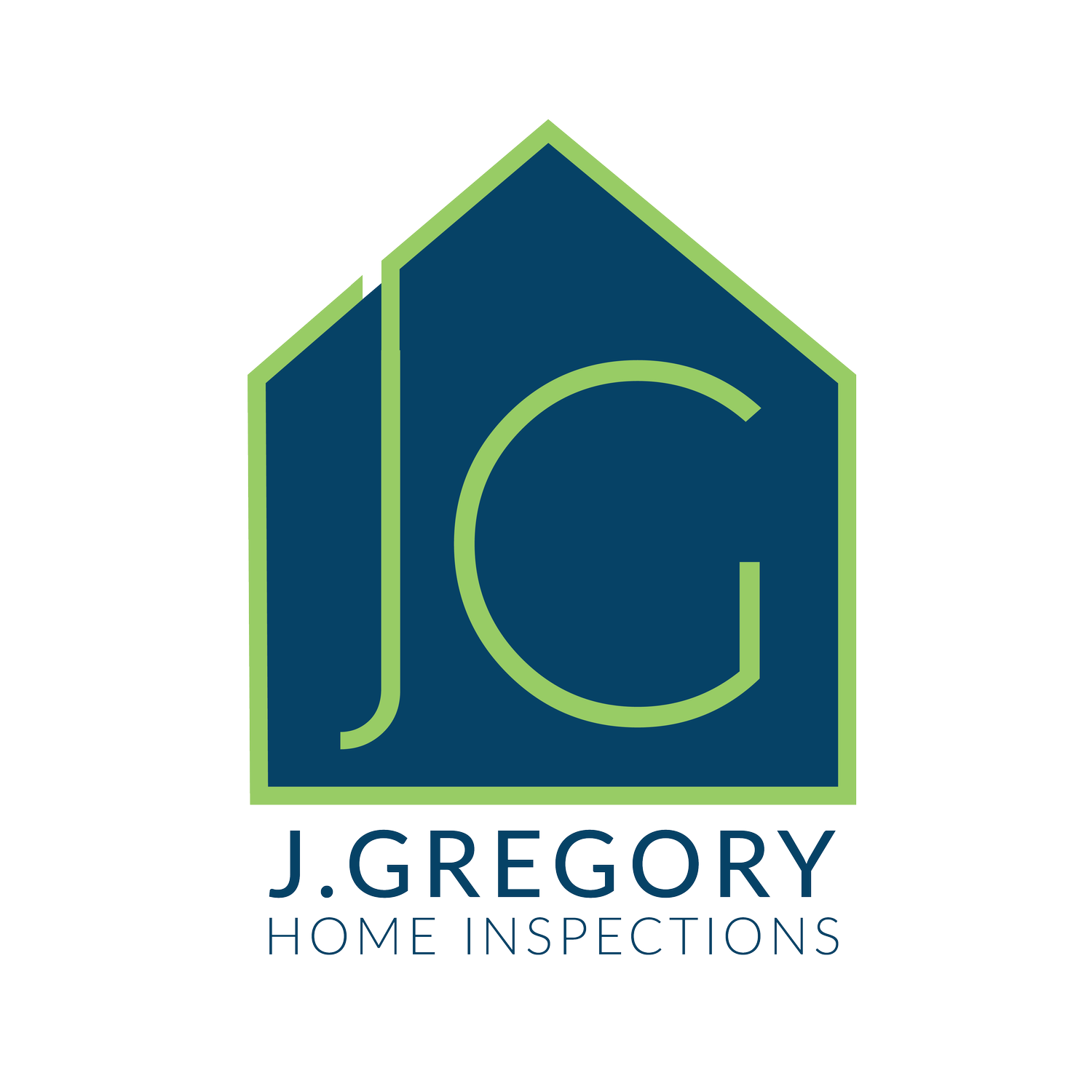
Exterior siding plays a crucial role in protecting your home from the elements, enhancing curb appeal, and maintaining structural integrity. As a home inspector, I often evaluate siding for signs of wear, improper installation, moisture intrusion, or damage from pests and weather. This is especially important in areas like Florida, where high humidity, intense UV exposure, heavy rains, and hurricanes demand resilient materials. In this article, we'll explore popular types of exterior siding, including their descriptions, pros, cons, durability, maintenance needs, and key inspection considerations. We'll also touch on Florida-specific factors, such as hurricane resistance and moisture management.
Vinyl Siding
Vinyl siding, made from PVC resin, is one of the most common options for residential homes due to its versatility and ease of installation. It comes in panels that mimic wood grain or other textures and is available in a wide array of colors.
Pros: Affordable, lightweight, and resistant to rot, insects, and moisture. It requires minimal upkeep and can last 30-40 years with proper care. In Florida, high-quality vinyl with UV inhibitors performs well against fading from intense sun.
Cons: Can crack or warp in extreme heat or high winds, and lower-grade options may fade over time. It's not as impact-resistant as other materials, potentially leading to dents from hail or debris during storms.
Durability and Lifespan: Generally durable with a lifespan of 20-40 years, but in hurricane-prone areas, reinforced versions are recommended for wind speeds up to 150 mph.
Maintenance: Low—clean annually with a hose or power washer. No painting needed, as color is infused into the material.
Florida Considerations: Excellent for moisture resistance in humid climates like Pensacola, but opt for impact-rated vinyl to meet local building codes for hurricane zones. Avoid cheap varieties that may warp in the heat.
Inspection Tips: Check for buckling, gaps at seams, or signs of water intrusion behind panels, which can lead to mold. In new constructions, ensure proper ventilation to prevent trapped moisture.
Fiber Cement Siding
Fiber cement siding, such as brands like James Hardie, is composed of cement, sand, and cellulose fibers. It offers a realistic wood-like appearance in planks, shingles, or panels and is often pre-primed or factory-painted.
Pros: Highly durable, fire-resistant, insect-proof, and resistant to rot and warping. It holds paint well and mimics natural wood without the high maintenance. In storm-prone regions, it's a top choice for withstanding high winds and moisture.
Cons: Heavier than vinyl, requiring professional installation, and more expensive upfront. It can absorb water if not properly sealed, leading to cracking in freeze-thaw cycles (less of an issue in Florida).
Durability and Lifespan: Extremely long-lasting, often 50+ years, with strong resistance to impacts and weather.
Maintenance: Moderate—repaint every 7-15 years and caulk joints around windows/doors to prevent leaks.
Florida Considerations: Ideal for Florida's humidity and hurricanes, as it's termite-resistant and meets strict codes for wind resistance (up to Category 5 storms when installed correctly). Brands like James Hardie offer climate-specific formulations for salt air and UV exposure in coastal areas like Navarre.
Inspection Tips: Look for cracks, chipping paint, or efflorescence (white powdery residue indicating moisture issues). Ensure proper drainage and flashing to avoid water damage behind the siding.
Wood Siding
Wood siding, typically from cedar, redwood, or pine, includes styles like clapboard, shingles, or shakes. It provides a natural, classic aesthetic that's customizable through staining or painting.
Pros: Timeless beauty, good insulation properties, and eco-friendly if sourced sustainably. It can be repaired easily and adds value to traditional-style homes.
Cons: Prone to rot, insects, warping, and fire. Requires frequent maintenance to prevent damage from moisture or UV rays.
Durability and Lifespan: 10-20 years without proper care, but up to 50 years with regular treatments.
Maintenance: High—stain or paint every 3-5 years, and treat for pests. Seal gaps to block moisture.
Florida Considerations: Challenging in Florida due to high humidity and termites, which accelerate rot. Engineered wood alternatives (treated composites) are better for moisture resistance but still need sealing. Not ideal for hurricane zones without reinforcements, as it can splinter in high winds.
Inspection Tips: Inspect for soft spots, discoloration, or insect holes. Check for proper ventilation under eaves to reduce moisture buildup, a common issue in humid climates.
Brick Siding (Veneer)
Brick veneer is a thin layer of bricks applied over a home's structural frame, offering a masonry look without the full weight of solid brick construction.
Pros: Extremely durable, low-maintenance, fire-resistant, and excellent for insulation. It resists pests, rot, and fading, providing timeless curb appeal.
Cons: High initial cost and labor-intensive installation. It can crack over time and may trap moisture if not properly ventilated.
Durability and Lifespan: 50-100+ years, with strong performance against weather and impacts.
Maintenance: Very low—occasional cleaning and repointing mortar joints every 20-30 years.
Florida Considerations: Performs well in Florida's heat and humidity, with good moisture resistance when installed with a drainage cavity. It's hurricane-resistant but ensure weep holes for ventilation to prevent mold in coastal areas.
Inspection Tips: Examine for cracks in mortar, efflorescence, or bulging, which could indicate foundation issues or water damage. In Florida inspections, verify proper flashing to handle heavy rains.
Stucco Siding
Stucco is a cement-based plaster applied in layers over a wire mesh or lath, creating a seamless, textured finish popular in Mediterranean-style homes.
Pros: Durable, energy-efficient, and fire-resistant. It conforms to any shape and can be tinted or painted for customization.
Cons: Prone to cracking in seismic areas or with settling, and absorbs moisture if not sealed properly. Installation is complex and best left to pros.
Durability and Lifespan: 50+ years if maintained, but vulnerable to water damage in wet climates.
Maintenance: Moderate—repaint every 5-10 years and repair cracks promptly to prevent leaks.
Florida Considerations: Common in South Florida for its heat resistance, but requires excellent drainage systems to combat humidity and hurricanes. Modern synthetic stucco (EIFS) offers better moisture management.
Inspection Tips: Check for hairline cracks, bubbling, or soft spots indicating trapped moisture. Ensure control joints are present to allow for expansion in hot, humid weather.
Metal Siding
Metal siding, often aluminum or steel, comes in panels or sheets with finishes that mimic wood or stone. It's lightweight and modern in appearance.
Pros: Highly durable, fireproof, and resistant to rot, insects, and moisture. Easy to install and recyclable.
Cons: Can dent easily, conduct heat (making homes warmer), and fade if not powder-coated. Noisier during rain or hail.
Durability and Lifespan: 40-60 years, with excellent wind resistance.
Maintenance: Low—wash occasionally; high-quality coatings prevent rust.
Florida Considerations: Great for hurricane zones due to high wind ratings and salt resistance in coastal areas like Pensacola. Aluminum is preferred over steel to avoid corrosion from humidity.
Inspection Tips: Look for dents, scratches exposing metal to rust, or loose panels. Verify insulation backing to reduce heat transfer in sunny climates.
Conclusion
Choosing the right siding depends on your budget, home style, and local climate. In Florida's challenging environment, prioritize materials like fiber cement or metal for optimal protection against storms and humidity. During a home inspection, always assess for proper installation and early signs of issues to avoid costly repairs. If you're in the Pensacola or Navarre area and considering a new build or remodel, consult a local inspector to evaluate options tailored to your needs. You can contact us at: jgregoryinspections.com or call: 850-904-6955 for more information.