The Importance of Commercial Building Inspections: Protecting Your Investment and Ensuring Long-Term Success
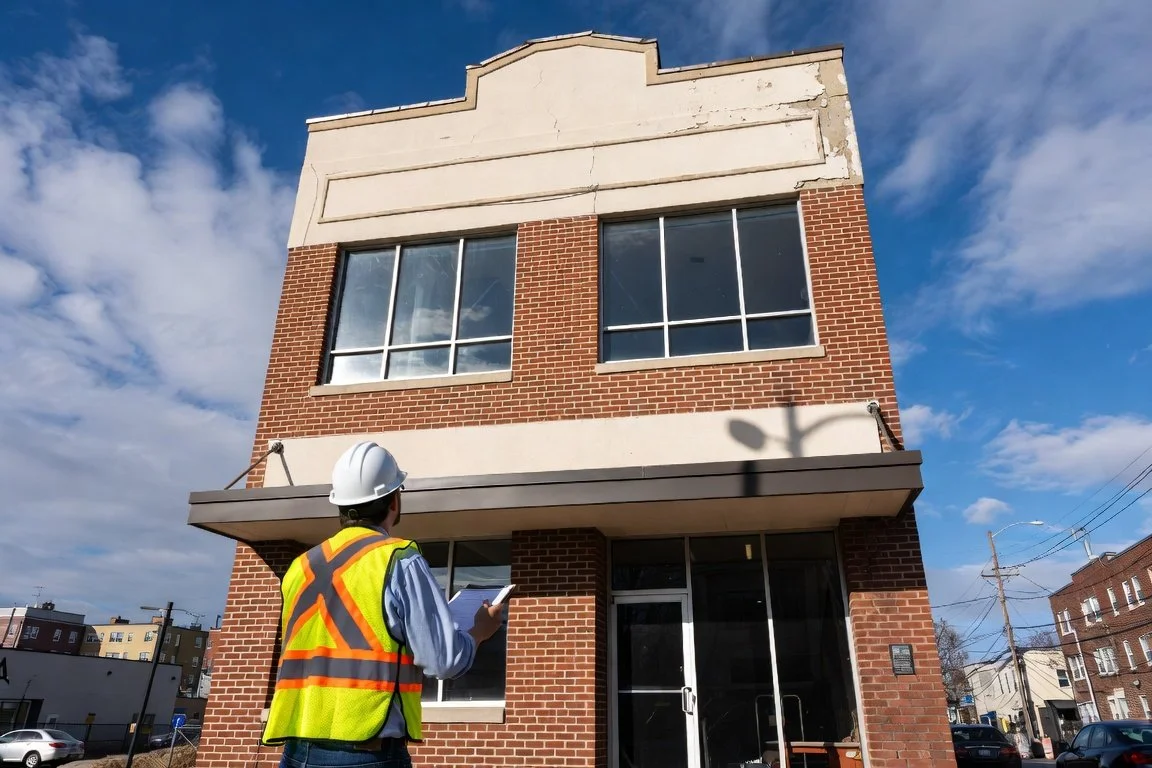
In the world of commercial real estate—whether you're buying a retail space, office building, warehouse, or multi-tenant property—a professional commercial building inspection is far more than a routine step. It's a critical safeguard that uncovers hidden issues, mitigates financial risks, and supports informed decision-making. Commercial properties represent significant investments, often involving complex systems, higher stakes, and greater potential for costly surprises compared to residential homes. Skipping or skimping on a thorough inspection can lead to unexpected repair bills, safety hazards, compliance problems, and even disruptions to business operations.
At J. Gregory Home Inspections, we extend our expertise to commercial properties across Northwest Florida, including areas like Pensacola, Navarre, Fort Walton Beach, and beyond. With advanced tools like thermal imaging and drone technology, combined with years of construction and inspection experience, we deliver detailed assessments that help owners, buyers, investors, and tenants protect their assets.
Why Commercial Building Inspections Matter More Than You Think
Commercial buildings differ substantially from residential ones in scale, usage, and regulatory requirements. Inspections focus not just on basic habitability but on operational efficiency, tenant safety, income continuity, and return on investment (ROI). Here's why a professional inspection is essential:
1. Uncover Hidden Defects and Avoid Costly Surprises
Commercial structures often hide issues like roof deterioration, foundation settling, outdated electrical systems, failing HVAC units, plumbing leaks, or structural weaknesses. These problems may not be visible during a walkthrough but can escalate into major expenses. Early detection through a comprehensive inspection allows buyers to negotiate repairs, price reductions, or seller credits—potentially saving tens or hundreds of thousands of dollars. Proactive identification can reduce repair costs by addressing issues before they worsen.
2. Protect Tenant and Occupant Safety
Safety is paramount in commercial spaces where employees, customers, and visitors gather. Inspections evaluate fire hazards, electrical overloads, ADA compliance, egress paths, and environmental concerns like mold or poor indoor air quality. Identifying these risks early prevents accidents, liability claims, and potential shutdowns, ensuring a safe environment that supports business continuity.
3. Ensure Code Compliance and Regulatory Adherence
Commercial properties must meet stringent local, state, and federal codes, including building, fire, accessibility, and environmental standards. An inspection highlights violations or non-compliance issues that could delay occupancy, trigger fines, or require expensive retrofits. This is especially important during purchases, leases, or renovations.
4. Support Accurate Valuation and Stronger Negotiations
A detailed inspection report provides objective data on the property's condition, deferred maintenance, and projected system lifespans (e.g., HVAC, roofing, electrical). This empowers buyers and investors to assess true value, forecast capital expenditures, and calculate realistic ROI. Sellers benefit too—addressing issues upfront can streamline sales, build buyer confidence, and potentially increase offers.
5. Facilitate Better Maintenance and Long-Term Asset Preservation
For current owners and property managers, regular commercial inspections establish a baseline for ongoing maintenance. They reveal emerging problems, prioritize repairs, and extend the building's lifespan. Routine checks help prevent small issues from becoming catastrophic, preserving property value and minimizing downtime.
6. Meet Lender and Insurance Requirements
Many lenders require a property condition assessment (PCA) before approving commercial loans, and insurers may demand proof of the building's integrity. A professional inspection satisfies these needs while demonstrating due diligence.
Key Areas Covered in a Commercial Building Inspection
A thorough commercial inspection typically examines:
Structural components (foundation, framing, walls)
Roofing and exterior envelope
Electrical systems and capacity
Plumbing and water management
HVAC and mechanical systems
Fire suppression and life safety features
Interior finishes and accessibility
Environmental factors (mold, moisture, energy efficiency)
Advanced techniques like thermal imaging detect hidden moisture, insulation gaps, or electrical hotspots, while drone surveys provide safe, detailed roof and exterior views.
The Bottom Line: Knowledge Is Power in Commercial Real Estate
Investing in a commercial property without a professional inspection is like buying a vehicle without checking under the hood—you might drive away fine, but the risks are high. A quality inspection delivers peace of mind, financial protection, and the information needed to negotiate effectively or plan wisely.
Whether you're acquiring a new commercial space, leasing for your business, or managing an existing portfolio in Northwest Florida's coastal environment where humidity, salt air, and storm risks add unique challenges don't overlook this vital step.
Ready to safeguard your commercial investment? Contact J. Gregory Home Inspections today at 850-904-6955 (call or text) or schedule online. Our experienced team is here to provide clear, comprehensive insights tailored to your property's needs. Protect what you've built, start with a professional inspection.