How Professional Mold Assessments Are Performed in Pensacola, Navarre, Gulf Breeze, and Destin, FL
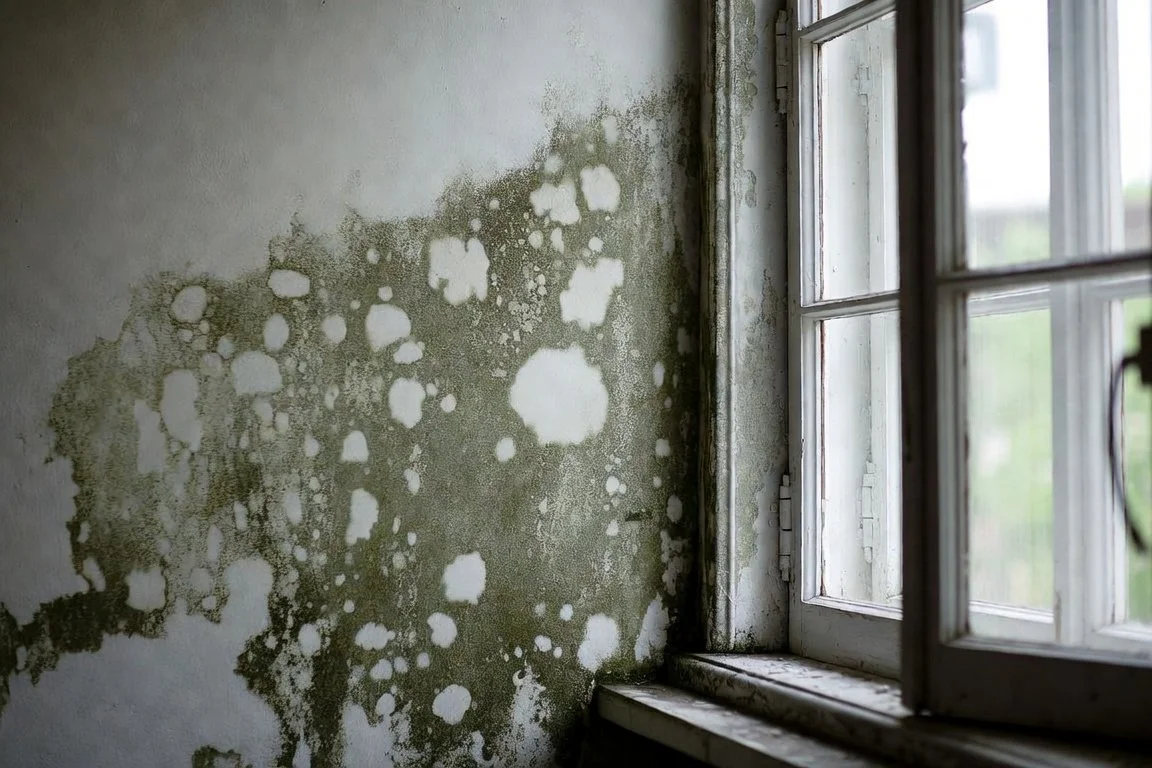
Living along the beautiful Gulf Coast comes with one hidden challenge: high humidity that creates the perfect environment for mold. With average annual relative humidity around 74% in Pensacola and frequent spikes above 70% in summer — plus the lasting effects of hurricanes, storm surge, and heavy rains — mold growth is common in homes and businesses throughout Pensacola, Navarre, Gulf Breeze, and Destin.
A professional mold assessment is the first critical step to identify hidden problems, protect your family’s health, and prevent costly damage. Here’s exactly how licensed mold assessors perform these inspections in Northwest Florida.
What Is a Mold Assessment?
A mold assessment is a systematic, science-based inspection performed only by a Florida-licensed Mold Assessor (regulated by the Department of Business & Professional Regulation under Chapter 468, Part XVI, Florida Statutes).
The goal, according to Florida Administrative Code 61-31.701, is to:
Determine the sources, locations, and extent of any mold growth
Identify the moisture conditions that caused it
Provide a clear, written plan (protocol) for safe remediation
Important: In Florida, the assessor (who diagnoses the problem) must be completely separate from the remediator (who fixes it) to avoid conflicts of interest.
Step-by-Step: How a Mold Assessment Works in Our Area
Initial Consultation & History Review Your licensed assessor starts with a conversation about your home’s history — recent storms, water leaks, musty odors, health symptoms, or past flooding. In coastal areas like Navarre and Gulf Breeze, they often ask about hurricane exposure or AC condensation issues.
Comprehensive Visual Inspection The assessor walks through every accessible area:
Attics and crawl spaces (very common problem zones in older Pensacola homes)
HVAC systems and air ducts
Bathrooms, kitchens, and laundry rooms
Behind appliances, under sinks, and around windows
Drywall, baseboards, and ceilings
They look for visible mold (black, green, white patches), water stains, warped materials, and musty smells.
Moisture Detection & Mapping Using professional tools — moisture meters, infrared cameras, and hygrometers — the assessor measures:
Wood and drywall moisture content
Indoor relative humidity (should stay below 55–60%)
Temperature differences that cause condensation
In Destin and Gulf Breeze beach homes, high attic and crawl-space humidity is a frequent culprit.
Sampling (When Needed) Not every assessment requires lab testing (Florida Department of Health notes that visible mold often makes sampling unnecessary). When performed, common methods include:
Surface/swab sampling — for suspected spots
Air sampling — indoor vs. outdoor comparison
Bulk sampling — pieces of material sent to an accredited lab
Samples are analyzed for mold type and concentration.
Detailed Written Report & Remediation Protocol Within days you receive a professional report that includes:
Photos and diagrams of findings
Lab results (if samples taken)
Moisture source diagnosis
Clear, step-by-step remediation protocol
Recommendations for prevention (e.g., dehumidifiers, improved ventilation)
The report meets all Florida DBPR standards and is often required for insurance claims.
Why Local Experience Matters in Northwest Florida
Mold behaves differently here than in drier climates. Assessors familiar with the Panhandle understand:
How Hurricane Sally-type flooding affects crawl spaces
Condensation issues in poorly insulated beach homes
HVAC duct mold from high summer humidity
Salt-air corrosion that worsens moisture problems
Choosing a locally licensed and experienced mold assessor ensures the assessment accounts for our unique coastal conditions.
What Should You Do Next?
If you notice musty odors, allergy symptoms that worsen indoors, visible discoloration, or recent water damage in your Pensacola, Navarre, Gulf Breeze, or Destin home, don’t wait. Schedule a professional mold assessment today.
Early detection is the most affordable way to protect your property and your family’s health.
Need a licensed mold assessor in the Pensacola area? Contact a DBPR-verified professional serving Escambia, Santa Rosa, and Okaloosa counties. Verify any assessor’s license at MyFloridaLicense.com before hiring.
Protect your home from the Gulf Coast’s hidden mold threat — start with a proper assessment.